 The June Minnesota Housing Board meeting included discussion on Minnesota Housing’s tribal nations consultation policy, the 2020 Qualified Allocation Plan, a legislative update, and more.
Commissioner Jennifer Ho reported that Minnesota Housing is hiring a Deputy General Counsel. The application process closes July 12. The position posting can be found here.
She also mentioned that the Board received 41 applications for two open seats on the board. Interviews have been held, and she anticipates that Gov. Walz will appoint that position in time for the July meeting.
Commissioner Ho attended a second Indian Council Affairs meeting in Morton with the Lower Sioux Community, and held the first tribal consultations with White Earth and Red Lake nations. Ho is scheduling consultations with Leech Lake Band of Ojibwe and the Mille Lacs Band of Ojibwe yet this summer, and consultations with other tribal nations will be scheduled through the end of the year.
The Commissioner hosted another regional Public Sector Leaders conversation with Lt. Gov. Peggy Flanagan chairing that effort, which focuses on bringing together leaders from all seven regional counties, Minneapolis and St. Paul, as well as numerous State Commissioners around ending homelessness. Recommendations are being developed even as emergency winter shelters have closed and encampments are expected to re-appear this year.
Updated MN Housing Tribal nations consultation policy
MN Housing updated the agency’s tribal nations consultation policy. The main update is the timeline. The agency wants to create timelines to better align with state budget development, and to ensure substantive involvement with tribes in a timely, meaningful way. This will also assist in developing budgets that reflect the needs of tribes.
Updating the 2020 Qualified Allocation Plan (QAP)
The typical process is: the MN Housing Board approves it and then sends to the governor for approval. But after the board approved the 2020 QAP in May 2018, legislation passed in 2018 at end of session that limited the agency’s ability to include certain items in the QAP. In MN Housing’s opinion, it conflicted with federal requirements with which the agency must comply.
The agency asked Governor Dayton to approve the part of the QAP that addressed the 9% credits (competitive side). The Governor signed it specific to the 9% credits and didn’t sign related to the 4% credits. This 2019 session, the legislature repealed the 2018 restrictive language with legislation that said that 4% credits should be given top preference to projects receiving tax exempt bond allocations.
The change to the 2020 QAP adds one sentence restating current law that MN Housing has to make 4% credits a strategic priority. Prior to the legislation, the Board had removed the requirement for 4% tax credits projects to meet a strategic priority.
The changes passed unanimously. It will be presented to the governor for review and final approval. Further information on the change can be found in the board packet at page 15 (link).
Legislative Update
Ryan Baumtrog updated the board on the legislative session. In summary, MN Housing faced no cuts to agency programs, and the agency will see a 10% increase in funding. The legislature also approved $60 million in Housing Infrastructure Bonds, the last bill passed during the special legislative session. Page 138 of the board packet (link) outlines the programs that will see funding increases.
Board discussion involved reporting requirements for the agency including publicly posting the scoring methods for all RFPs after the 2020 competitive process. Staff indicated this could be onerous because the agency has six different funding products during a single selection process, and it’s not always just the lowest price or the highest scoring application because the agency has to consider multiple factors for the success of a project.
Further, while the agency strives to fairly distribute limited resources across the state, staff indicated that the legislature perceives an imbalance between metro and Greater Minnesota resource allocations, with Greater Minnesota not receiving enough attention and resources. And that was reflected in “reasonable balance of loans and grants” language in legislation. That imbalance perception is not accurate, in the view of the MN Housing, and the agency will work to educate legislators on the true balance of investments.
Serving Communities Most Impacted
John Patterson, Director of Planning, Research and Evaluation, led a presentation and discussion of people most impacted by housing instability. That presentation is in the board packet on page 145 (link).
Board members commented on the housing barriers facing seniors, the importance of listening to people with lived experiences with housing instability, mortgage discrimination and homeowner rates for people of color, and mortgage lending targets for underserved communities.
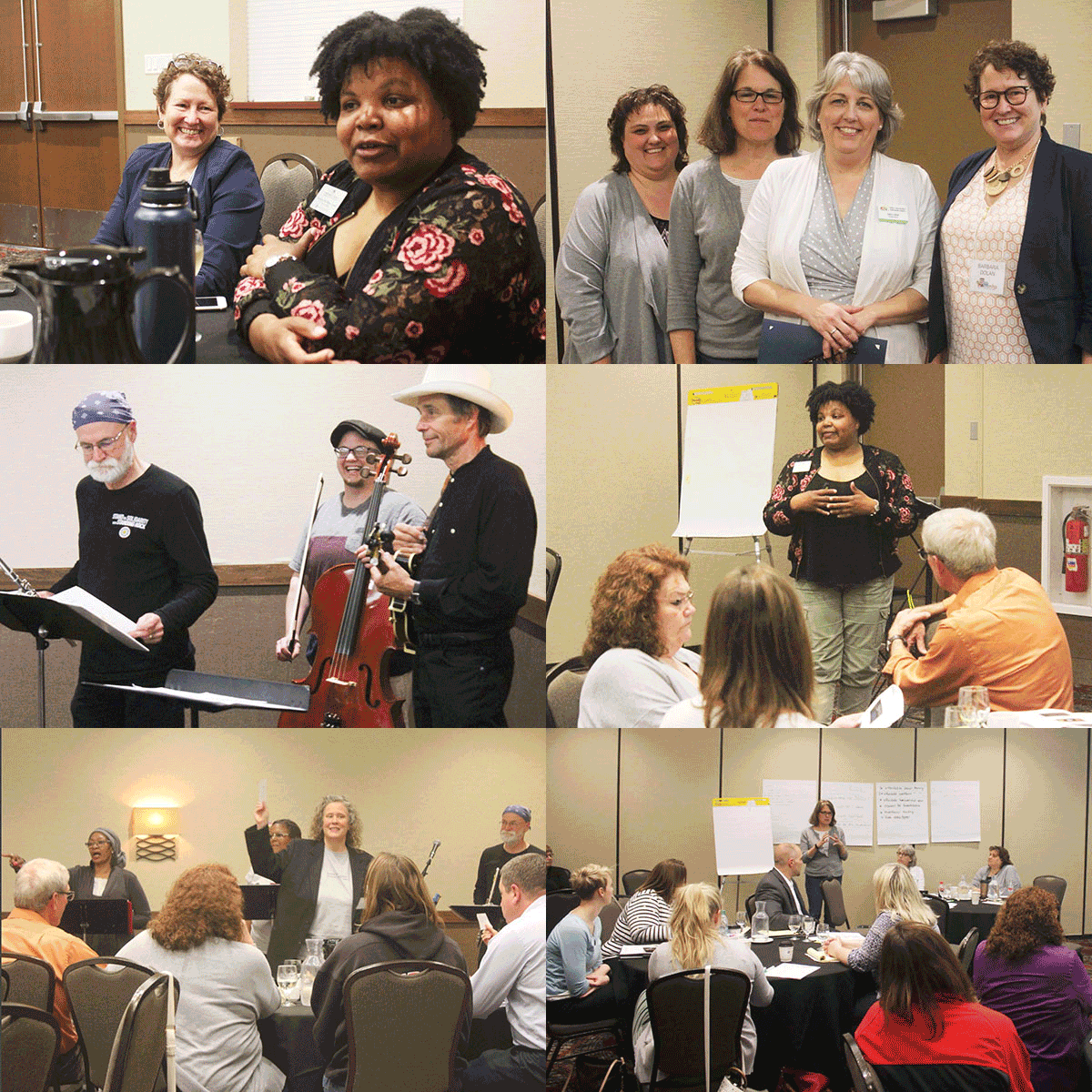 For 18 months as part of MHP’s Housing Institute, teams of local leaders from three Minnesota regions have been working hard to advance a housing-related project to positively impact their communities. The 2018-19 Institute culminated in a final workshop in Willmar, Minnesota on May 14 and 15.
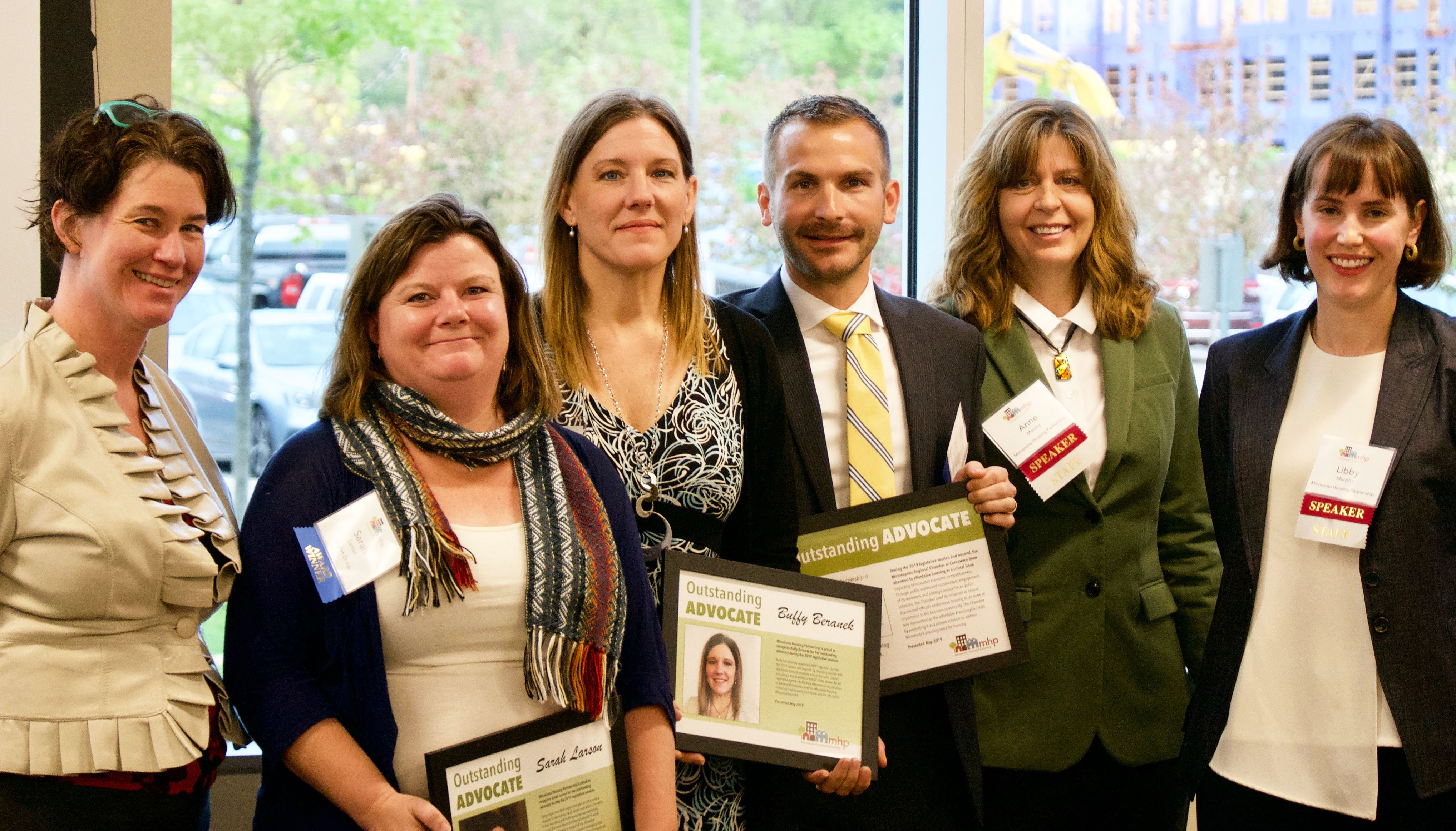 MHP is pleased to announce the recipients of our 2019 Outstanding Advocate awards! These awards recognize community members and selected organizations for demonstrated dedication to affordable housing. During the 2019 session, these advocates engaged their elected officials, motivated others to advocate, and raised the public profile of affordable housing issues
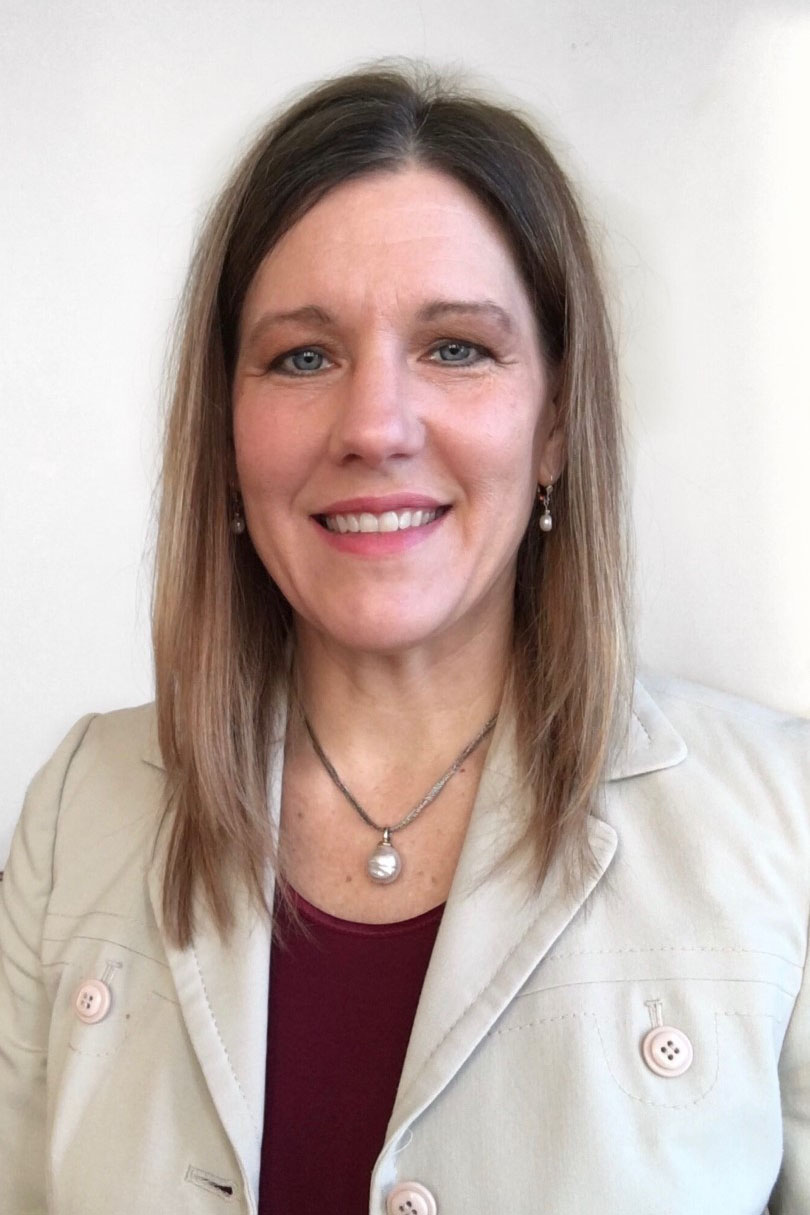 Buffy Beranek
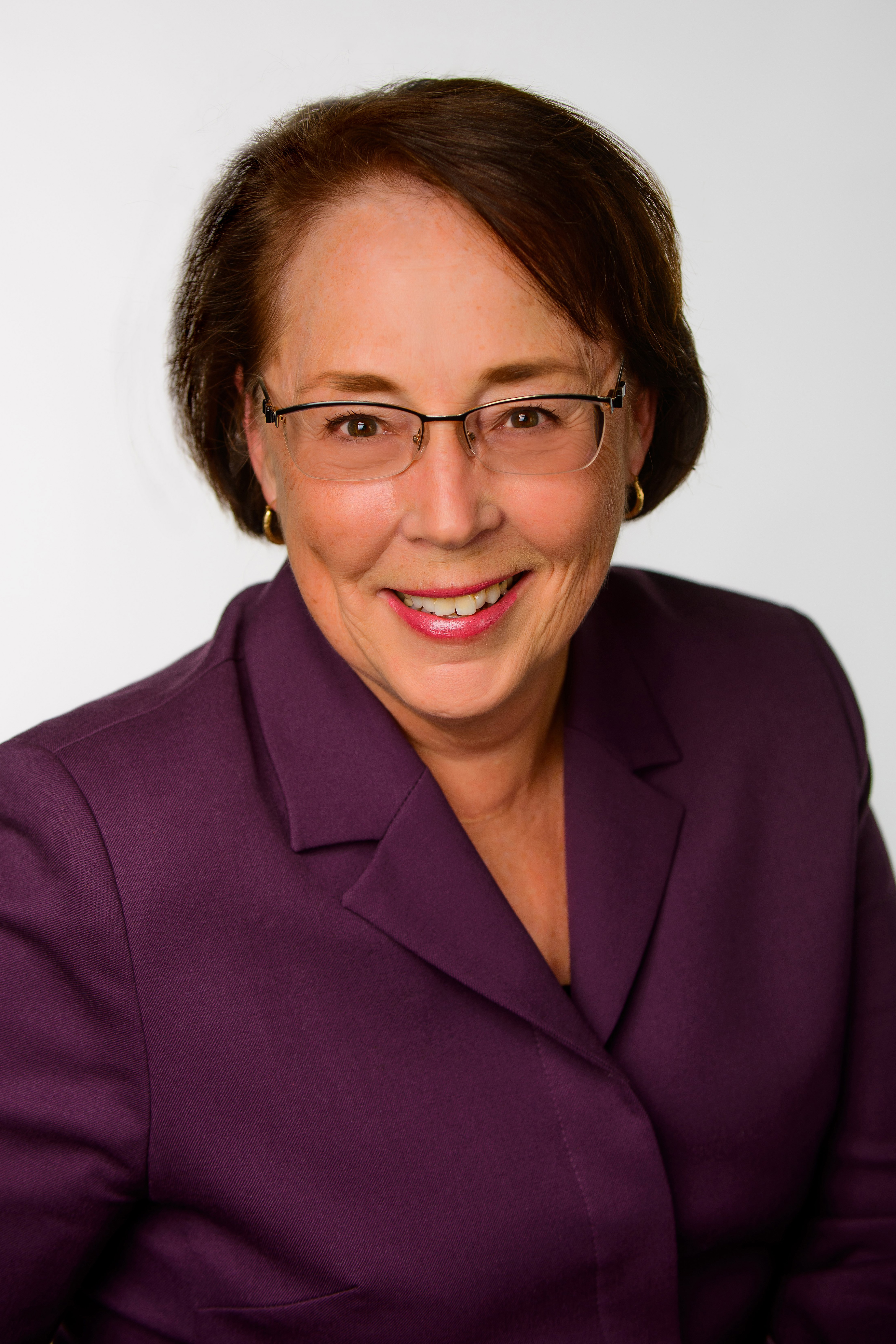 Sheila
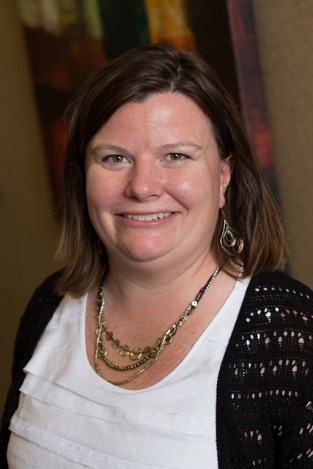 Sarah Larson
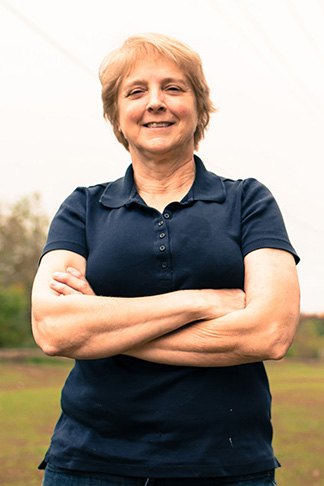 Marie
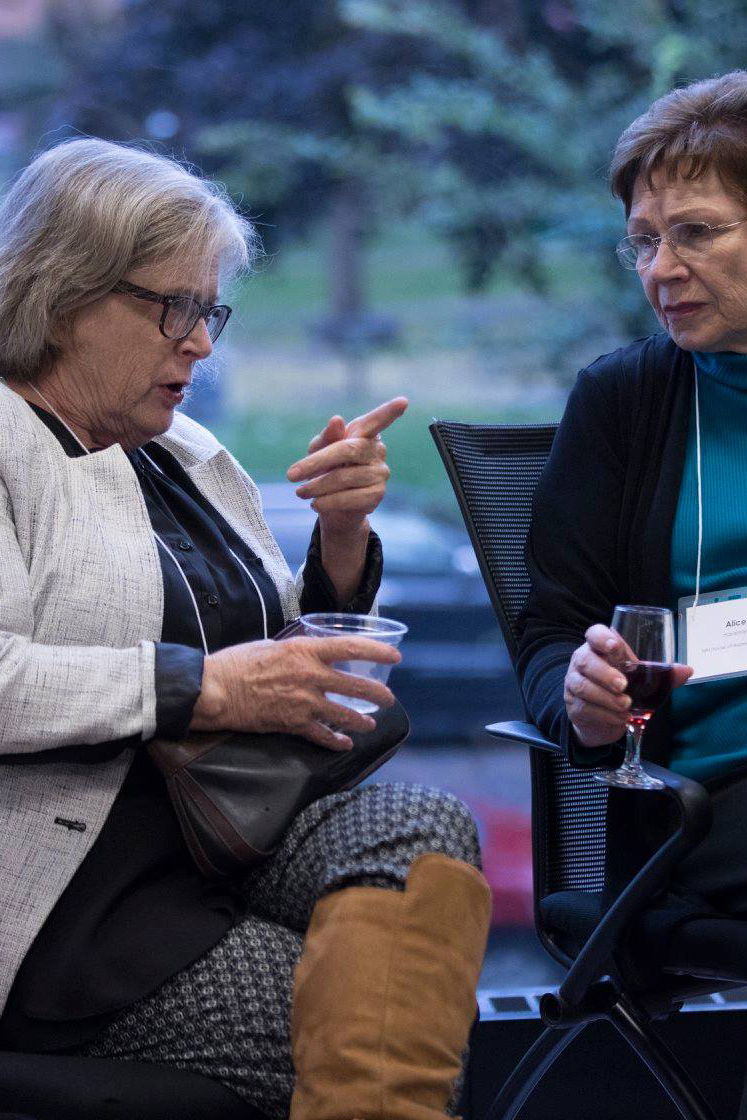 Linda Soderstrom
 Minneapolis Regional Chamber of Commerce
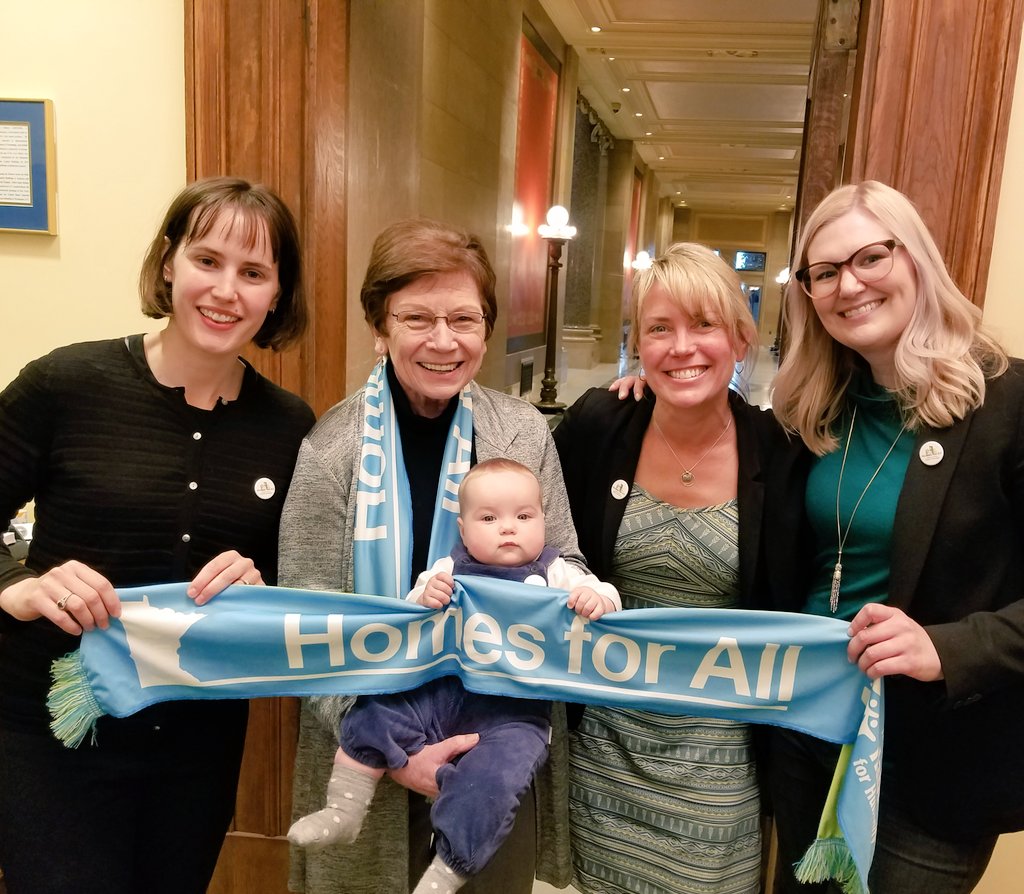 With a divided legislature, Minnesotans anticipated a messy end to the 2019 session. Early on, pundits predicted gridlock. While we avoided a government shutdown, the end was messy, indeed. In a move that has almost become normal, Minnesota’s legislators finalized the State’s budget in a not-so-special, special session.
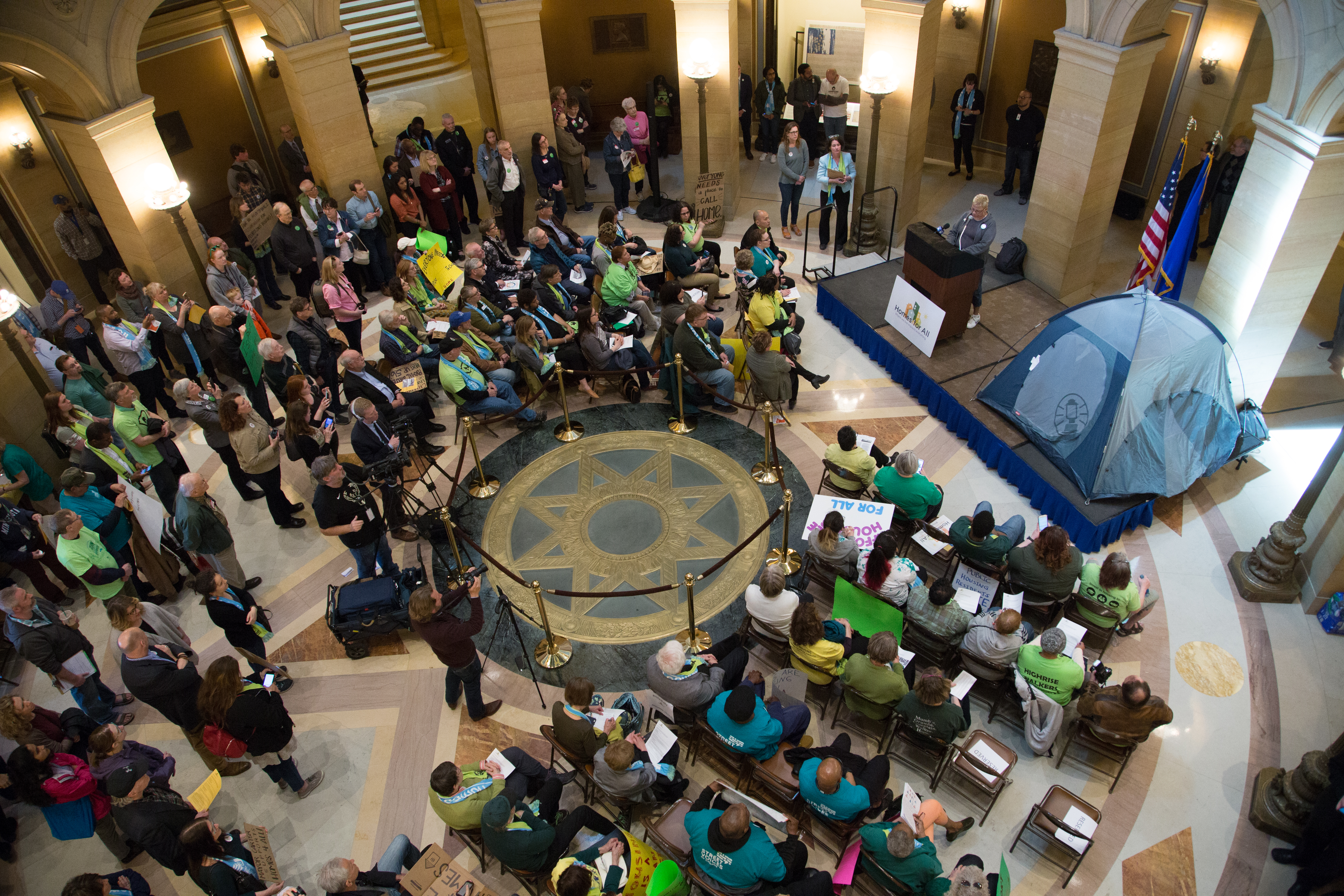
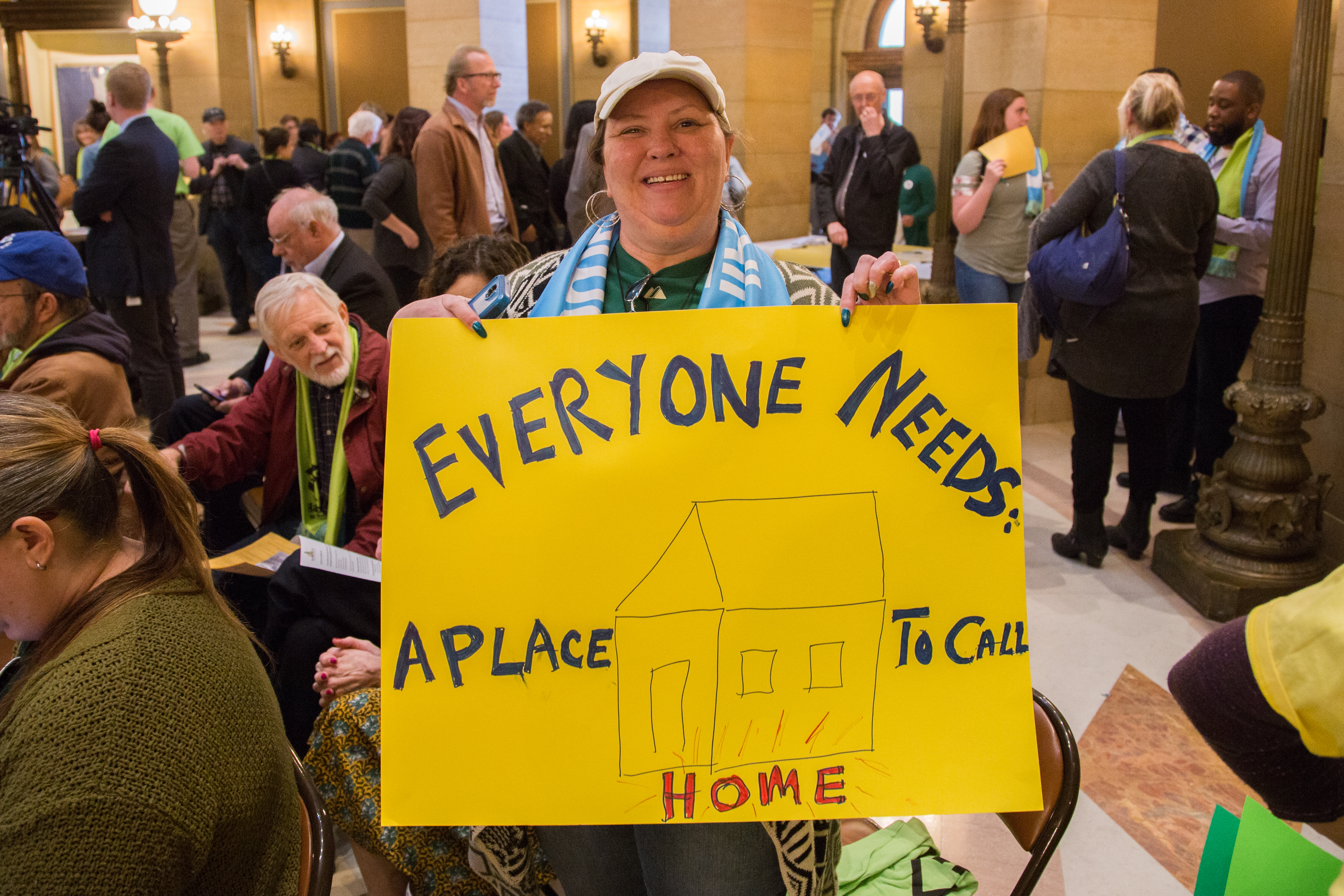
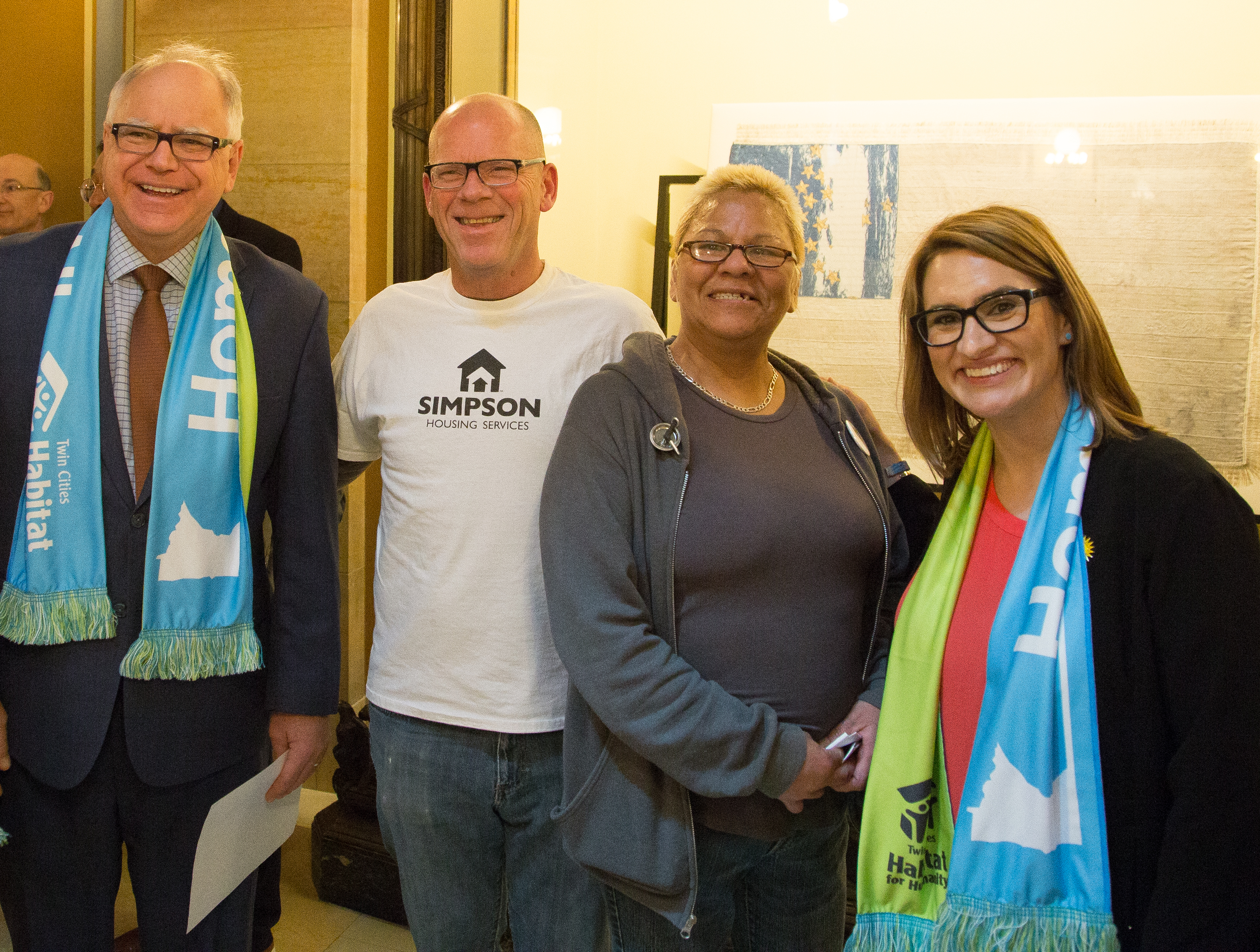 Thanks to all who joined us to Unite for Housing at the Homes for All rally on May 6! More than 200 people attended — including housing champions Governor Walz and Lieutenant Governor Flanagan! We can still feel the energy, and hear the voices, that filled the rotunda. We’re grateful to everyone who shared their stories and called for swift action on housing before the session ends.