As the Minnesota Legislature’s 2026 session comes to a close, we’re gathering to recognize the progress made and the people who made it possible. Join MHP and co-hosts at La Doña Cervecería on June 2 from 4:00–6:00 p.m. to celebrate the work of housing champions and lawmakers this session.
MHP thanks lawmakers for coming together to advance a bipartisan $165 million housing package that includes Housing Infrastructure Bonds and critical program funding to help strengthen communities across Minnesota. Governor Walz’s inclusion of housing investments in his budget proposals helped keep housing at the center of negotiations throughout the legislative session, and MHP thanks Governor Walz for his commitment to housing and urges the Governor to sign the bill into law.
In one of the most challenging budget environments in recent years — with an evenly divided Legislature, a structural budget imbalance, and significant federal uncertainty — state leaders worked collaboratively to advance creative housing solutions without new impacts to the state budget. The agreement includes investments in homelessness prevention, supportive housing, workforce housing, manufactured home communities, Housing Infrastructure Bonds, and other housing priorities that help Minnesotans thrive.
The package includes:
$100 million in Housing Infrastructure Bonds (HIBs)
$40 million for the Family Homeless Prevention and Assistance Program (FHPAP) through the Tyler Settlement
Approximately $25 million in interest earnings directed toward:
Greater Minnesota workforce housing
Supportive housing and homelessness response
Manufactured home infrastructure grants
Homeownership education
Tenant education and hotline services
Minnesota Nice Home Share
Housing Infrastructure Bond debt service
“This agreement demonstrates what is possible when leaders come together around practical, bipartisan solutions that help communities thrive,” said Anne Mavity, MHP’s Executive Director. “In a year defined by significant budget constraints and uncertainty, and within a tight partisan split in the legislature, Minnesota leaders recognized how essential these meaningful housing investments are to help strengthen communities across the state.”
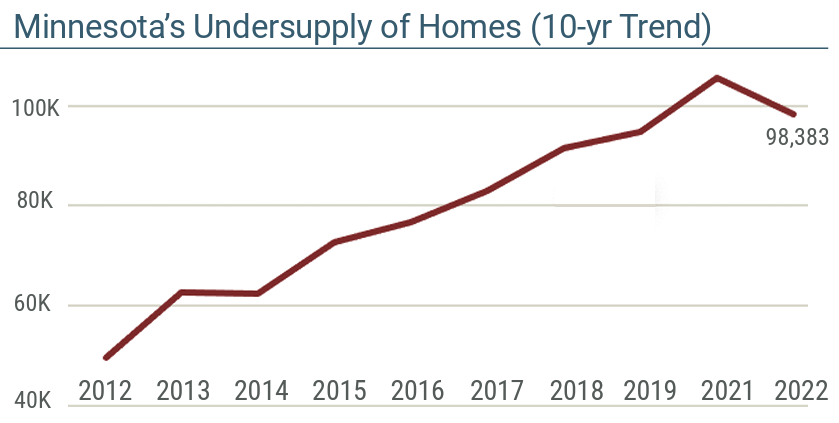
Advancing a housing package of this size and scope in an evenly divided Legislature sends a strong message about Minnesota’s continued leadership and commitment to helping communities succeed. And, Minnesota continues to face a shortage of nearly 100,000 homes that people with the lowest incomes can afford and access. Continued partnership and investment will be needed to ensure communities across the state have the homes support workers, families, older adults, and future generations.
Join Our Future Starts at Home for a day at the Capitol on Tuesday, March 17, 2026, to advocate directly with lawmakers for the greatest possible funding for housing this session, and for future efforts to secure dedicated revenue for home.
We will have advocacy opportunities available throughout the day! Join us for session updates and advocacy training, meet with your State Senator and Representative, and attend a hearing. We will meet at the Minnesota State Capitol. You can join a variety of activities throughout the day, including meeting with your lawmakers.
8:30 – 10:30 a.m.: Senate Taxes Committee
10:45 a.m. – 12:00 pm: Our Future Starts at Home Advocacy Training
12:30 – 2:00 pm: Senate Housing and Homelessness Prevention Committee
3:00 pm: House Housing Finance & Policy Committee
All day – lawmaker meetings.
We will provide a script, talking points, and training to support your advocacy.
Come when you can, choose a time that works best for you. Questions? Contact Courtney Schaff, at [email protected].
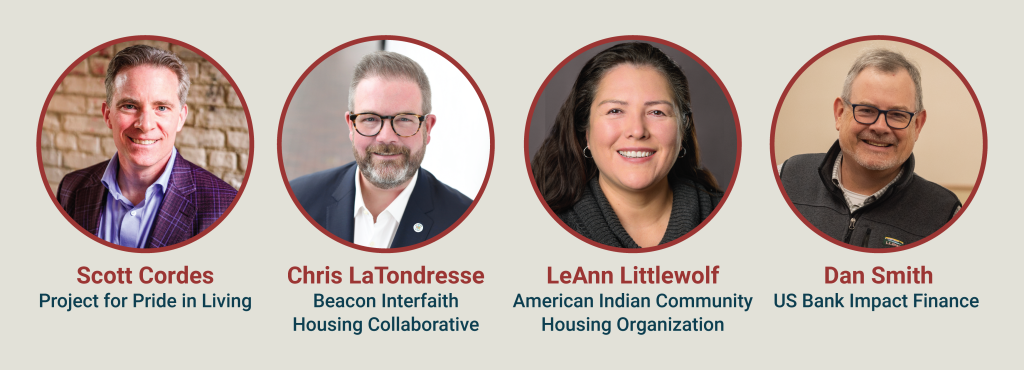
Join us for a timely discussion on housing preservation strategies that protect communities and meet the moment, featuring Priya Jayachandran, CEO of the National Housing Trust. She will be joined by Minnesota housing leaders with expertise in nonprofit development, culturally specific housing, and affordable housing investment to explore preservation strategies and what it takes to meet this moment locally:
Scott Cordes, Chief Operating Officer, Project for Pride in Living
Chris LaTondresse, President & CEO, Beacon Interfaith Housing Collaborative
LeAnn Littlewolf, Executive Director, American Indian Community Housing Organization
Dan Smith, Senior Vice President, US Bank Impact Finance
Priya Jayachandran: With 25 years of experience as a lender, developer, regulator, and advocate, Priya brings a rare, systems-level perspective to housing solutions. Her leadership includes serving as a senior policy advisor in the Department of Housing and Urban Development’s Office of Multifamily Housing under President Obama, and since 2018, she has led the National Housing Trust, one of the nation’s leading voices for affordable housing preservation.
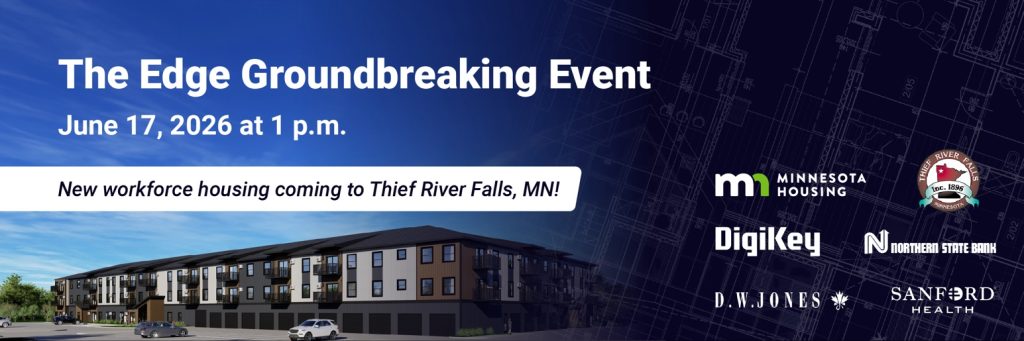
WHAT: The Edge groundbreaking ceremony and brief remarks, light refreshments provided
WHO: D.W. Jones, DigiKey, Sanford, Minnesota Housing, City of Thief River Falls, Northern State Bank, Minnesota State Housing Commissioner Jennifer Ho, Representative John Burkel, other elected officials, invited media and other guests, including Leah Hall, Director of Community Development, MHP
WHEN: Wednesday, June 17 1:00 p.m. (Ceremony at Sanford/Edge Construction Site) 2:00 p.m. (Refreshments at DigiKey) 2:30 p.m. (Optional tour of DigiKey)
WHERE: Ceremony- 1926 Sanford Pkwy, Thief River Falls, MN 56701
Refreshments and Tour– DigiKey Headquarters 601 Barzen Ave S, Thief River Falls, MN 56701
About The Edge:
The Edge is a new 65‑unit, market‑rate workforce housing development coming to Thief River Falls. The project will offer a thoughtfully designed mix of studio, one‑bedroom, and two‑bedroom apartments developed by D.W. Jones. The project is supported by a $3.5 million contribution from DigiKey through the State Housing Tax Credit Contribution Program, along with tax increment financing through the City of Thief River Falls, helping address critical housing needs in the community.
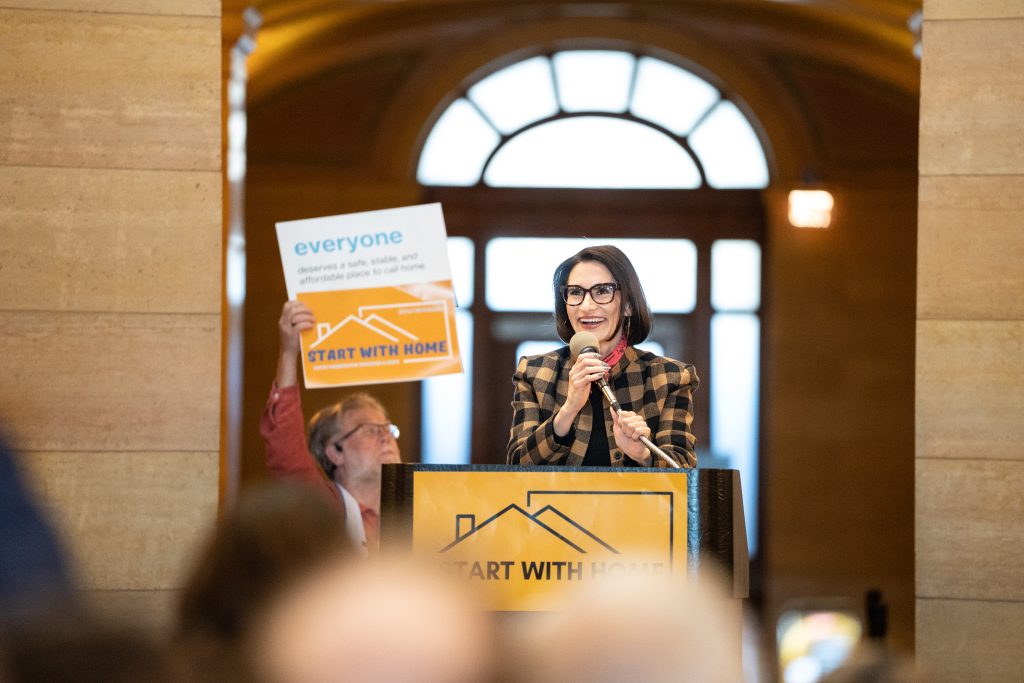
Hundreds of legislators and housing advocates gathered for the 4th Annual Start with Home Rally on Monday, February 23, to pack the Capitol Rotunda to make sure this session prioritizes legislation that:
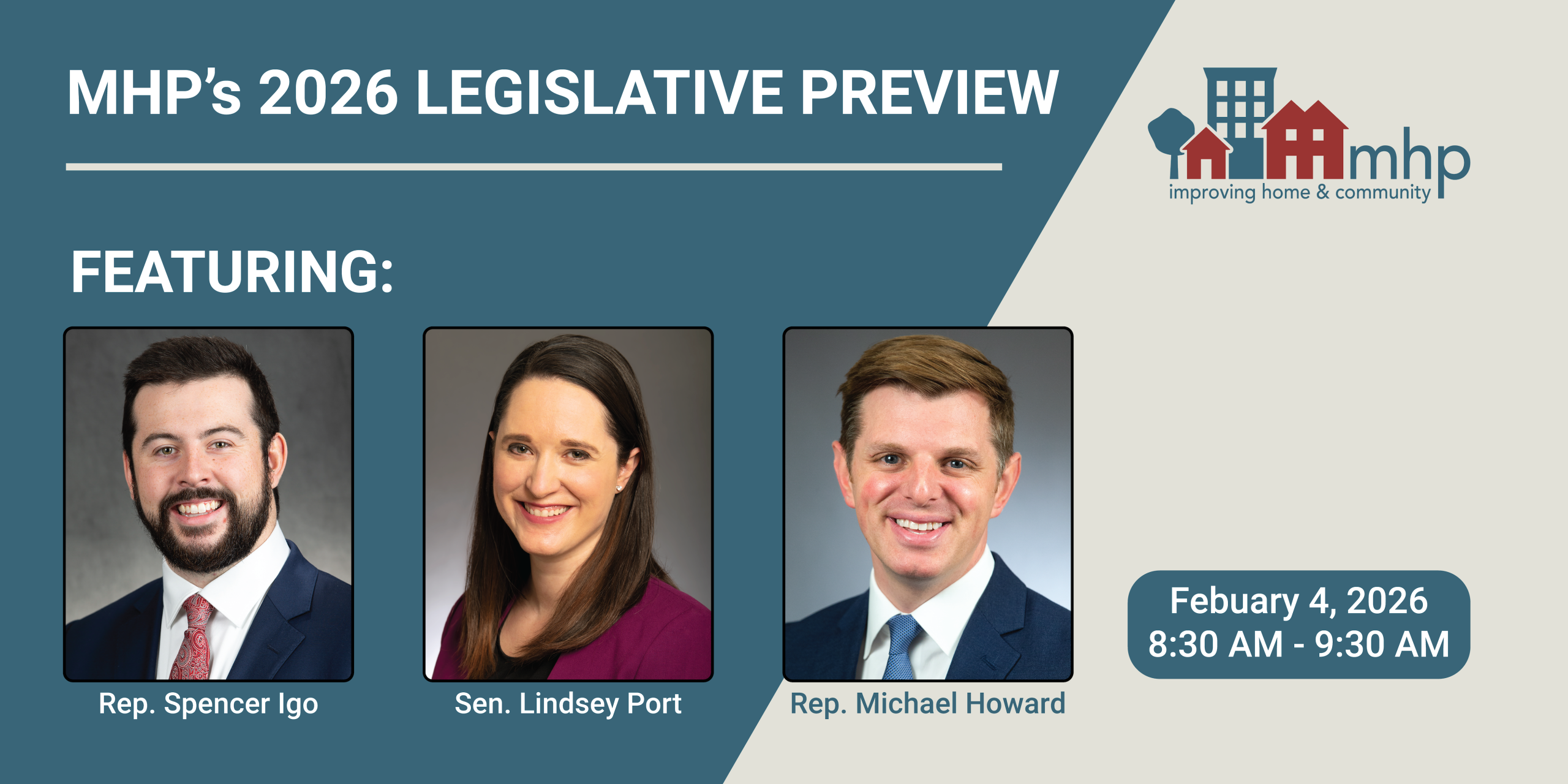
MHP’s Policy Manager Courtney Schaff hosted a 2026 Legislative Preview on Wednesday, Feb 4, featuring a conversation with housing committee chairs Senator Lindsay Port (DFL), Representative Mike Howard (DFL), and Representative Spencer Igo (R). A special thank you to our legislators for engaging with housing advocates and sharing their insights. A recording of the event, slide deck, and chat questions are now available
A stable home is the starting point for opportunity—for our kids, our health, and our economy. With smart investments and policy change, Minnesota can create more homes and keep opportunity within reach for all.
Allow More Homes and Housing Choices (Yes to Homes): Promote diverse home types in convenient, connected communities, and streamline processes to reduce barriers and accelerate building.
Invest through Housing Bonds: Allocate $200 million in Housing Infrastructure Bonds to create deeply affordable homes, and $100 million in General Obligation Bonds for public housing.
Strengthen the State Housing Tax Credit (SHTC): Good for Greater Minnesota: Align SHTC with the Greater Minnesota Workforce Housing Development Program to increase homes. We’ve proven the concept with a successful pilot—let’s commit to the credit and make it permanent!
Stabilize Affordable Homes: Preserve funding for supportive housing services with funds that wereappropriated by the 2025 legislature for the since-terminated Housing Stabilization Services program.
Maximize the Low Income Housing Tax Credit (LIHTC) Impact: Align state law on tax-exempt private activity bonds with recent federal updates to unlock more LIHTCs and increase homes statewide.
Fund Family Homeless Prevention (MN ERASE): Increase the Family Homeless Prevention and Assistance Program (FHPAP) by $35M to support housing stability and keep renters in their homes.
Enact Source of Income Protections: Clarify state law to prohibit any person from refusing to rent to someone because they receive housing assistance.
Secure Predictable Funding for Homes: Establish dedicated, predictable funding via the Our Future Starts at Home constitutional amendment to ensure lasting pathways to prosperity so our families and future generations can live and thrive here.
Your experiences, story, and voice are powerful. Join MHP to connect with lawmakers on issues important to you! Outreach to lawmakers from their constituents, through individual and group meetings, calls, and emails, is a compelling way to motivate public policy change. MHP will provide training and support to help you engage with lawmakers. Please join us!
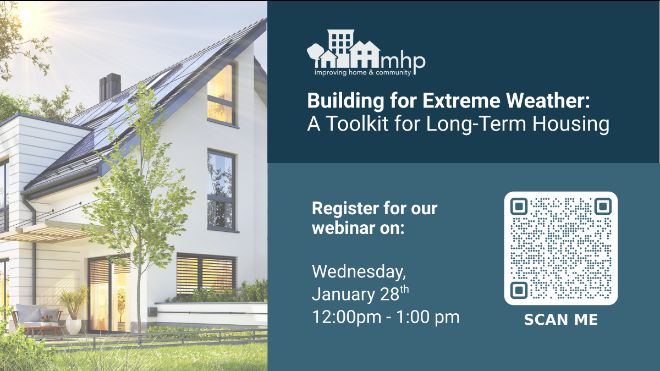
On January 28, MHP shared key insights from our national Building for Extreme Weather toolkit—a practical resource designed to help communities prepare for heat, flooding, high winds, and wildfires. The session highlighted simple, adaptable strategies drawn from across the country to strengthen housing, reduce long-term costs, and better protect residents.
Minnesota thrives when everyone has a stable home in a community that welcomes them. Whether we’re digging each other out of the snow or sharing a meal, Minnesota is a place where we look out for each other. Making sure our neighbors have access to a stable home is no exception.
Minnesota’s patchwork of local zoning rules makes it harder to build the homes we need. By passing the Starter Homes Act, we can establish new minimum standards for the kinds of homes Minnesotans can live in, so more families and neighbors can buy or rent homes in the communities they love.
Clear statewide standards will make it faster and easier to build more homes. More homes mean lower housing costs, stronger communities, and more opportunities for the next generation to stay and thrive in Minnesota.
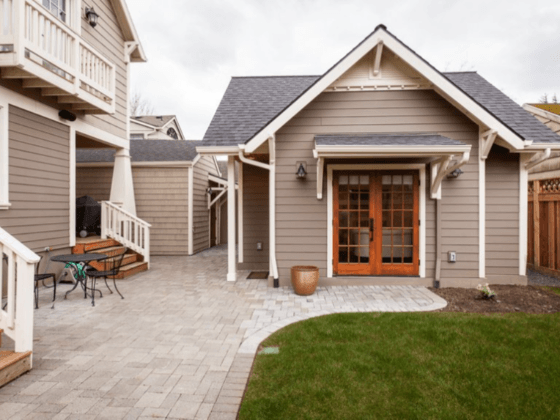
More Homes, More Choices, Lower Costs The Starter Homes Act legalizes more home types in all residential zones, allowing Minnesotans to meet their housing needs. These home types include allowing homeowners to build an accessory dwelling unit or backyard cottage, and the bill allows new detached homes or townhomes to be built on smaller new or vacant lots with access to public water and sewer.
These changes give Minnesotans more choices by allowing families and neighbors to choose the amount of land and home size that fits their needs.
More Homes Where We Already Live The Starter Homes Act allows for more homes in existing neighborhoods near schools, jobs, and everyday amenities. Cities will allow duplexes, triplexes, and fourplexes on at least one-third of existing residential areas. Additionally, cities must allow mixed-use or multifamily homes on at least one-third of commercial areas. These new homes near jobs could replace empty office buildings, underutilized strip malls, or vacant commercial land. More homes near jobs means less competition and lower home prices.
Make it Faster to Build Homes The Starter Homes Act will ensure that new homes can be approved and built in a timely manner. City approvals will need to be standardized to reduce delays and uncertainty for families and builders.
Bulk & Lot Control Standards Many cities require large lots, large lawns, and mandatory garages, making modest homes difficult or impossible to build and restricting choices for Minnesotans. The Starter Homes Act leaves most decisions about size and style to cities, but requires that cities allow smaller homes on smaller lots. HOA Restrictions Under the Starter Homes Act, cities may no longer require a Homeowner’s Association (HOA) as a condition for approving new homes. Removing this requirement reduces recurring HOA fees and gives homeowners more choices about how their community looks and feels. Cities retain authority to protect public infrastructure and shared safety. Aesthetic Standards Aesthetic mandates can unintentionally increase housing costs. By requiring a porch, a balcony, or larger garages, cities increase costs and reduce flexibility for homeowners. The Starter Homes Act returns these choices to homeowners for all types of new homes, including townhomes, single-family homes, duplexes, and fourplexes.
A Menu of Options for Cities Larger Cities Have Greater Capacity to Address Minnesota’s 100,000-Home Shortage The Starter Homes Act establishes a menu of proven tools that cities of the first, second, and third class must choose from to expand housing supply. Larger cities must adopt more tools, while suburban and smaller cities must adopt fewer tools. Smaller towns are exempt from this requirement.
The Starter Homes Act Gives Cities Choices on How to Build More Homes Cities choose from five basic categories of tools to expand housing supply. Based on their size, cities must demonstrate progress in increasing the number of homes they allow by choosing to:
Allow more land for multifamily homes in residential or commercial areas, beyond the base requirements
Reduce or eliminate parking mandates that add unnecessary costs and limit flexibility
Allow larger multifamily developments to make projects feasible
Increase the number of homes allowed on lots in residential areas
Set aside funding for or reduce fees for new, affordable homes
With too few homes to meet the needs of our neighbors and families, competition increases—pushing up rents and home prices and making it harder for teachers, childcare providers, firefighters, and service workers to live in the communities they serve.
Research and lived experience across Minnesota show the same thing: when communities don’t have enough homes, the effects ripple outward—on families, workers, and local economies.
When homes are scarce, costs rise. Limited supply drives up rents and home prices, forcing families to spend more of their income on housing or move farther away.
Workers are priced out of the communities they serve. Teachers, nurses, childcare providers, and service workers struggle to live near their jobs when housing options are limited.
Outdated local rules block common-sense housing. Many zoning policies prohibit modest home types like duplexes, townhomes, and small apartments—even where infrastructure already exists.
Accessory Dwelling Unit (ADU) in Northfield, MN
Solutions
Housing is foundational to strong communities, and no single city can solve the shortage alone. We can fix this by allowing more types of homes in more places across the state. Minnesota should take action to allow more homes of all shapes and sizes—townhomes, backyard cottages, and apartments near jobs—to make our cities and towns work better for Minnesotans with different needs and incomes.
What Solutions Yes to Homes Proposes
Allow more types of homes in more places.
Make it easier to live near jobs, schools, and services.
Remove unnecessary barriers while respecting local context.
Ready to support solutions that work?
Join neighbors across Minnesota who believe housing is foundational to strong communities, and that it’s time to act together.