
• Winona residents share their housing stories

    On a sunny afternoon in January, several Winona residents and families shopping at the Winona Volunteer Services Supplemental Food Shelf shared their housing stories — including Seth, a newlywed auto mechanic and lifetime Winona resident, and Kathy, proud mother to two cats.

    Seth and Kathy have experienced firsthand what it’s like to make tough sacrifices to afford housing — and they’re not alone. There’s a high demand for housing in Winona across all income levels, and an extremely tight rental market. A healthy vacancy rate for housing units is approximately five percent. A 2016 housing study found a one percent vacancy rate for market rate units in Winona. The vacancy rate for shallow and deep subsidy units was 0.3% or less. Read on for Seth and Kathy’s experiences with housing in Winona. 

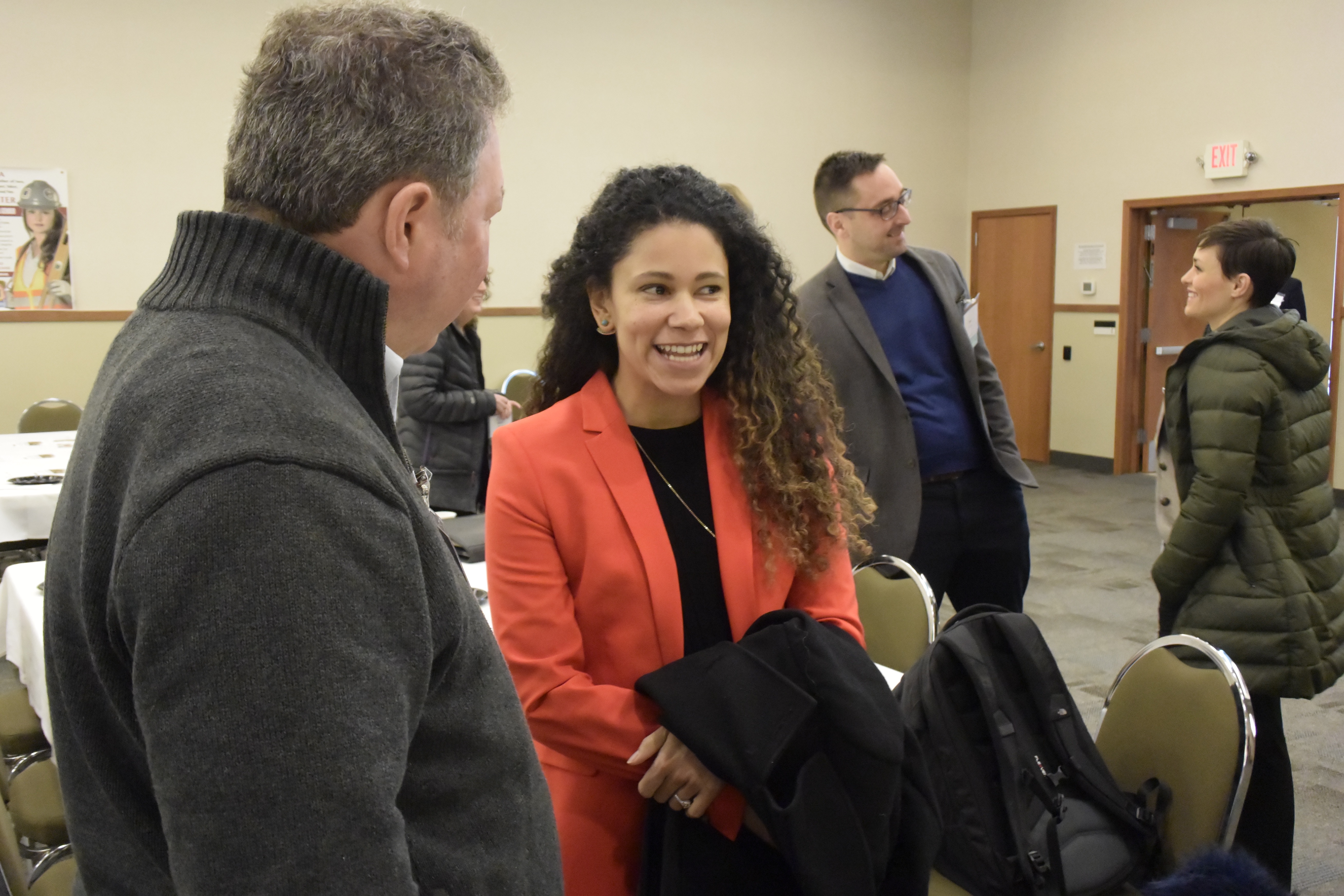
    Photo: A young Winona resident shops at the Volunteer Services Food Shelf.

    Seth

    When Seth slipped on a patch of ice and injured his back last fall, doctors told him nothing was wrong. But as time passed, it became clear that his injury was serious. Fluid had begun to leak out of one of the disks in his spine, leaving him unable to continue working as an auto mechanic.

    Now, Seth and his wife are struggling to make ends meet. “I’m really worried about whether we can make it on one income,” Seth says. “My short-term disability doesn’t pay as much as I made while working. That makes it really tough.”

    Seth and his wife live in Winona in a one-bedroom apartment. Though his wife works full time, Seth says his back injury has put their dream of owning a home together — and growing their family —  on hold. “We just don’t know, now, with the medical bills and everything, if we can make that work,” he says.

    If Seth could change one thing about housing in Winona, he’d make homeownership more accessible. “If you don’t have much credit, it makes it very challenging to get a house,” Seth explains. “The loan approval is the first loophole you have to get through, and then you have to make sure you have enough for a down payment. A lot of people don’t have $10,000 or $15,000 at their disposal. We looked at many houses for which we could afford the monthly payments, but we can’t purchase one because we just don’t have the downpayment.”

    With housing and other necessities consuming most of their budget, it’s difficult for Seth and his wife to save for the future, despite their best efforts. “We’re very hard workers, and we’re just trying to get ahead like everyone else,” Seth says. “This whole major setback is really putting into question what’s going to be in the future. Now, figuring out how to make ends meet is a real stress.”

    Kathy
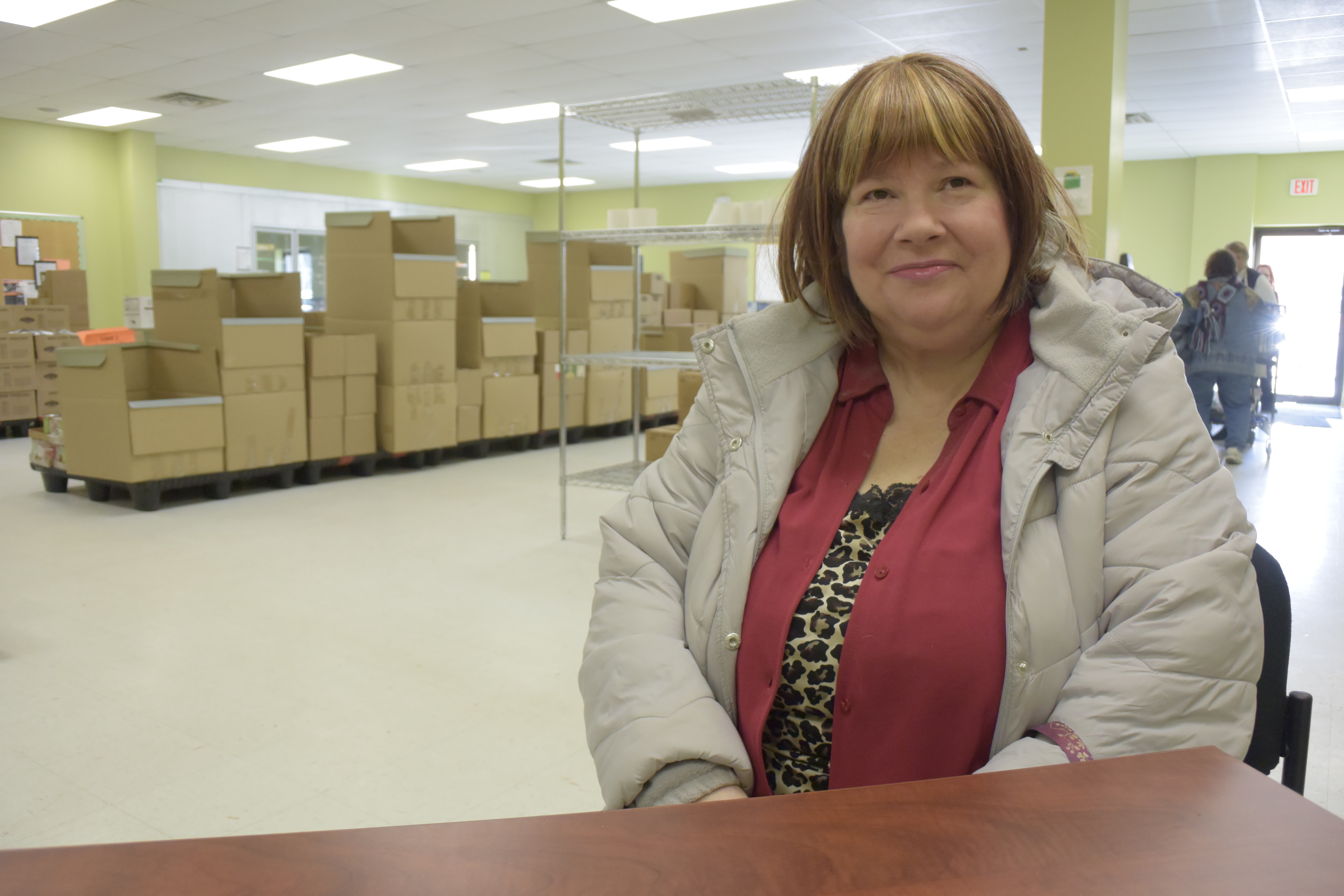
    “That was the happiest day of my life,” says Kathy, recalling the day she secured a Section 8 voucher. Being able to afford housing means a lot to Kathy, who has experienced homelessness on multiple occasions. “It was really hard,” she recalls. “I was only working part time, and I had to board my cats. I missed them.”

    Now, Kathy and her cats live in an apartment in Winona, affordable thanks to Kathy’s voucher. “I’m a good renter,” Kathy says. “My landlords like me, and I pay my rent on time. I’m a good pet owner, too. I love my two little babies, Dryfus and Sammy.”

    While Kathy is happy with her apartment, she’s hoping to find a place with lower rent so she can save more of her income. More than six months ago, she applied for an apartment at Valley View Tower, a 130-unit public housing complex in Winona. She estimates she’ll have to wait a year to secure a home there.

    Kathy loves Winona, and feels there should be more affordable housing options. “I think Winona’s a beautiful town,” she says. “I like our four seasons. There’s a lot of good housing in Winona, but we have room to improve.”

    (Below) Winona Volunteer Services Volunteers load up groceries

     

  • “We can’t find enough people to fill our jobs”: The Mill Townhomes to provide crucial affordable homes in Staples

    Rendering of The Mill Townhomes by Blumentals/Architecture, Inc.

    It takes dozens of dedicated people to make sure we have quality healthcare — from environmental services employees ensuring we don’t get an infection after surgery to nursing assistants who provide exceptional care, to receptionists who greet us with a smile at the front desk (despite our runny noses).

    But Lakewood Health CEO Tim Rice says he’s struggling to fill key positions like these because potential employees can’t find an affordable place to live in Staples — and that’s slowing the growth of the health system.

    “With higher unemployment, we used to have 20-30 people apply for a job,” Rice says. “Now, it’s almost nil. We can’t find enough people to fill our jobs. Anytime you have a gap like this in the community, it has an impact. Appropriate housing options — from rental opportunities to homeownership — are crucial for success.”

    As a healthcare provider, Rice sees the health impacts of the housing gap in Staples. The more time we spend commuting, he points out, the less time we get to take care of our personal health. Rice says the numbers reinforce his point — and underscore the urgency that legislators invest now to prevent communities from incurring health-related costs down the line.

    “The counties in our region have some of the lowest healthcare ratings and rankings in the state,” he explains. “Legislators have an obligation to help address health rankings, and a key element of that is ensuring housing options.”

    {source}

    <iframe width=”560″ height=”315″ src=”https://www.youtube.com/embed/HVufiPmgWGI” frameborder=”0″ allow=”accelerometer; autoplay; encrypted-media; gyroscope; picture-in-picture” allowfullscreen></iframe>

    {/source}

    Watch what’s great about the Staples community. Learn more about Staples.

    Fortunately, a recent investment by Minnesota Housing will help address a portion of the affordable housing gap in Staples. Developed and owned by Central Minnesota Housing Partnership (CMHP), The Mill Townhomes will provide 42 homes affordable to families and individuals earning $31,200-$43,300. With onsite support services, four units will serve individuals who have experienced homelessness, and another four will be home to households with disabilities.

    Deanna Hemmesch, Executive Director of CMHP, says that the investment by Minnesota Housing was key to making the project a reality. “For developers, we couldn’t do it without the help of Minnesota Housing funding,” Hemmesch explains. “To build homes with affordable rent, we need that investment and that gap financing. That way, communities can ensure people have an affordable place to live near their work. That’s a big need I’m hearing from people across the state.”

    Melissa Radermacher, Staples Economic Development Director, reached out to Hemmesch after a housing study underscored what many community members already sensed. “Everybody knew we needed housing,” Radermacher explains. “We just didn’t know how to prove it.”

    The study showed a need for housing across the board — from affordable to market rate. “Communities need to consider housing in their economic development strategy because if you don’t have housing, businesses don’t come — and open positions at existing businesses remain unfilled,” Radermacher points out.

    For example, Staples has a brand new hotel and restaurant and a new gas station. “Our new businesses are trying to attract employees, and it’s not economically feasible for people to commute to serve, bartend, or manage a front desk. But we still need people to work those jobs. And as a community, we want those amenities.”

    It’s hard for Radermacher to name everything she loves about Staples — from arts and culture and growing businesses to volunteerism. “It’s a little, big town,” she jokes. “People care about each other.”

    She sees the project as real progress toward addressing the need for quality, affordable homes in Staples. “Everybody deserves a quality place to live, and it’s crucial to make sure we’re investing in that, Radermacher says. “It’s important legislators understand the impact affordable homes can have on individuals, on a community, on everything — economically, personally. These projects just don’t happen without help through legislation.”

  • Session Scoop: Anticipating the Governor’s budget

    Week four of the legislative session was a little quieter than normal, due to the extreme weather conditions.

    We are preparing to receive the Governor’s budget in mid-February and the February budget forecast from Minnesota Management and Budget.

    Because this is the first year of the biennium, Governor Walz is required to recommend a two-year state operating budget to the Legislature by February 19, 2019. He has started to make public statements about what may be included in his budget, including a recent announcement that he plans to increase local government aid by $30 million.

    In the last week of February, Minnesota Management and Budget will release the February Budget and Economic Forecast.

    You can learn more about state budgeting and budget process with these resources:

    HOUSING BILLS TO WATCH

    HF282 (Noor)/SF239 (Eichorn): This bill modifies manufactured and modular home provisions, and received a hearing in the House Jobs and Economic Development Finance Division on Thursday, January 31.

    GET ENGAGED

    Join MHP for regular legislative update calls! Starting with our first call on Friday, February 8 at 10 a.m., join MHP’s policy team every other Friday at 10 a.m. to stay in-the-loop and share suggestions on how to move our agenda forward. Dial 800-220-9875 and enter 24167074 to join the call. Questions? Contact Elizabeth Glidden.

    Attend upcoming hearings! On Monday, February 4, 2019, at 3:00 pm, the Senate Committee on Agriculture, Rural Development, and Housing Finance will host a rescheduled presentation from MHFA on its 2019 Affordable Housing Plan, 2018 Project Funding Selections, and Cost Containment. The meeting will be held in Room 1150 of the Minnesota Senate Bldg. This Wednesday, the House Housing Finance and Policy Division hearing will focus on public housing issues. Listen in at 8 a.m. in Room 200 of the State Office Building.

    Advocate at an upcoming Day on the Hill! MN NAHRO, the Minnesota chapter of an organization that advocates for public housing authorities, will host a Day on the Hill on February 6. Find out more and view other upcoming Days on the Hill through our email newsletter! 

  • Tell Governor Walz to fund affordable homes with the Tax Credit Contribution Fund

    In mid-February, Governor Walz will release his budget for the 2020-21 biennium. We need you help to ask Governor Walz to prioritize affordable homes in his budget, including $100 million for the Minnesota Tax Contribution Fund for Affordable Housing (SF 404). With Governor Walz’s support, the Tax Credit will continue to build momentum for approval by the legislature and Governor this session.

    Please call Governor Walz today at 651-201-3400. Use this script: 

    Hello, my name is <NAME>, and I live in <CITY>.

    Please include $100 million in your budget for the Tax Credit Contribution Fund for Affordable Housing. Affordable homes are critical for Minnesotans, and essential to educational success and health; yet, only 2% of our state budget supports housing needs for Minnesotans. The Tax Credit Contribution Fund is a proven tool to boost affordable housing development throughout Minnesota, and good for our economy. A similar program in North Dakota has leveraged roughly $5 for every $1 invested, creating more than 2,500 units across the state.

    Thank you for supporting affordable homes for Minnesota! 

    Thanks for your advocacy! If you haven’t already, sign a letter of support for the Fund.

    With questions, contact Elizabeth Glidden

  • MHP Investors Council recap: Action for Affordable Homes

    “There’s a way that we can tap into this moment and do something big and extraordinary,” Minnesota Housing Commissioner Jennifer Ho said at last week’s MHP Investors Council breakfast, “Action for Affordable Homes,” attended by more than 100 affordable housing sector leaders.
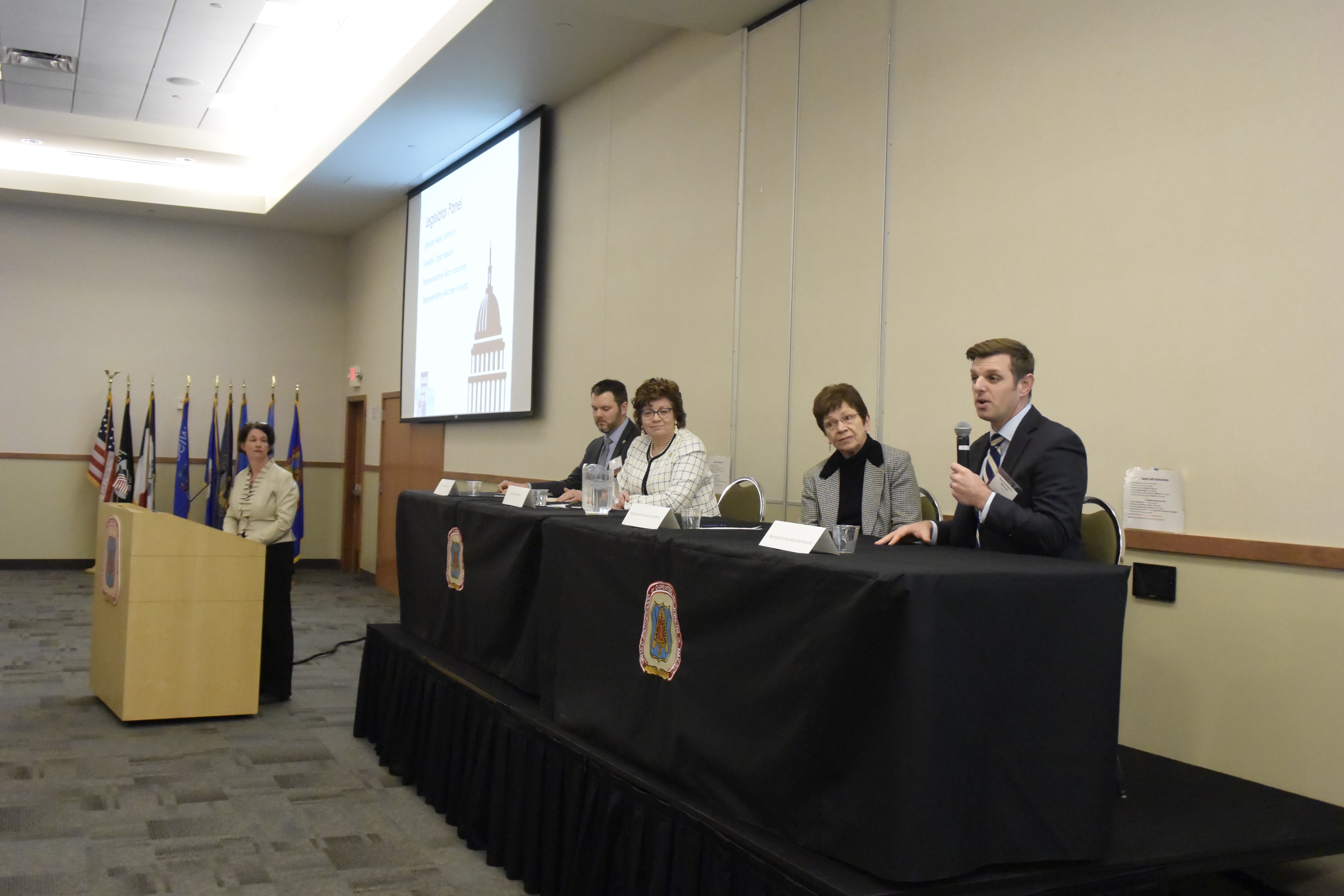
    Commissioner Ho said that now more than ever, Minnesotans agree access to affordable housing is key to the success of our state – and that now is the time to implement solutions. “We need to do that because it’s who we are. It’s who we are as Minnesotans to lead, not follow,” Ho said. “But also, what’s happening with the housing market is for real. And it’s not going to fix itself.” 

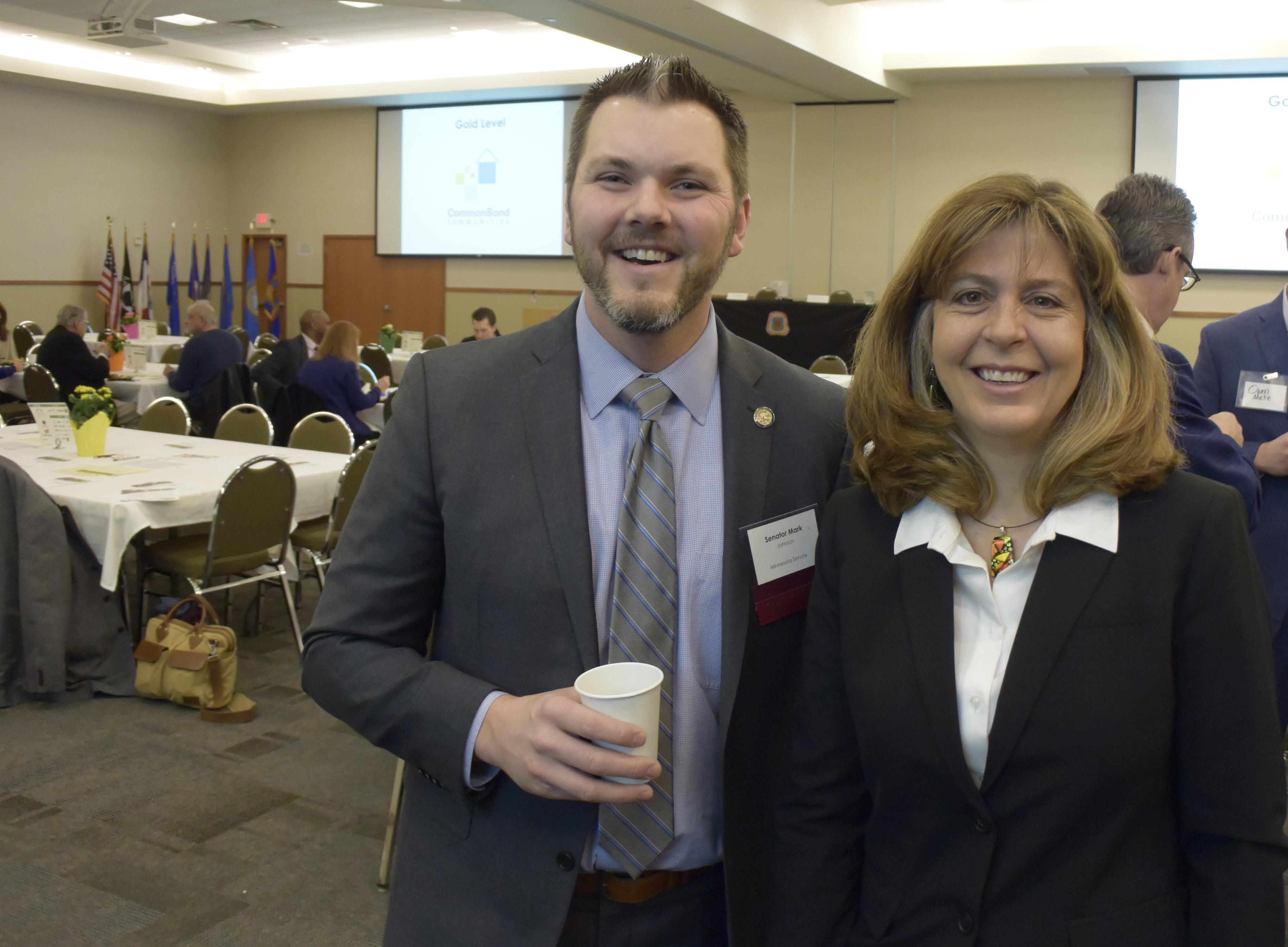
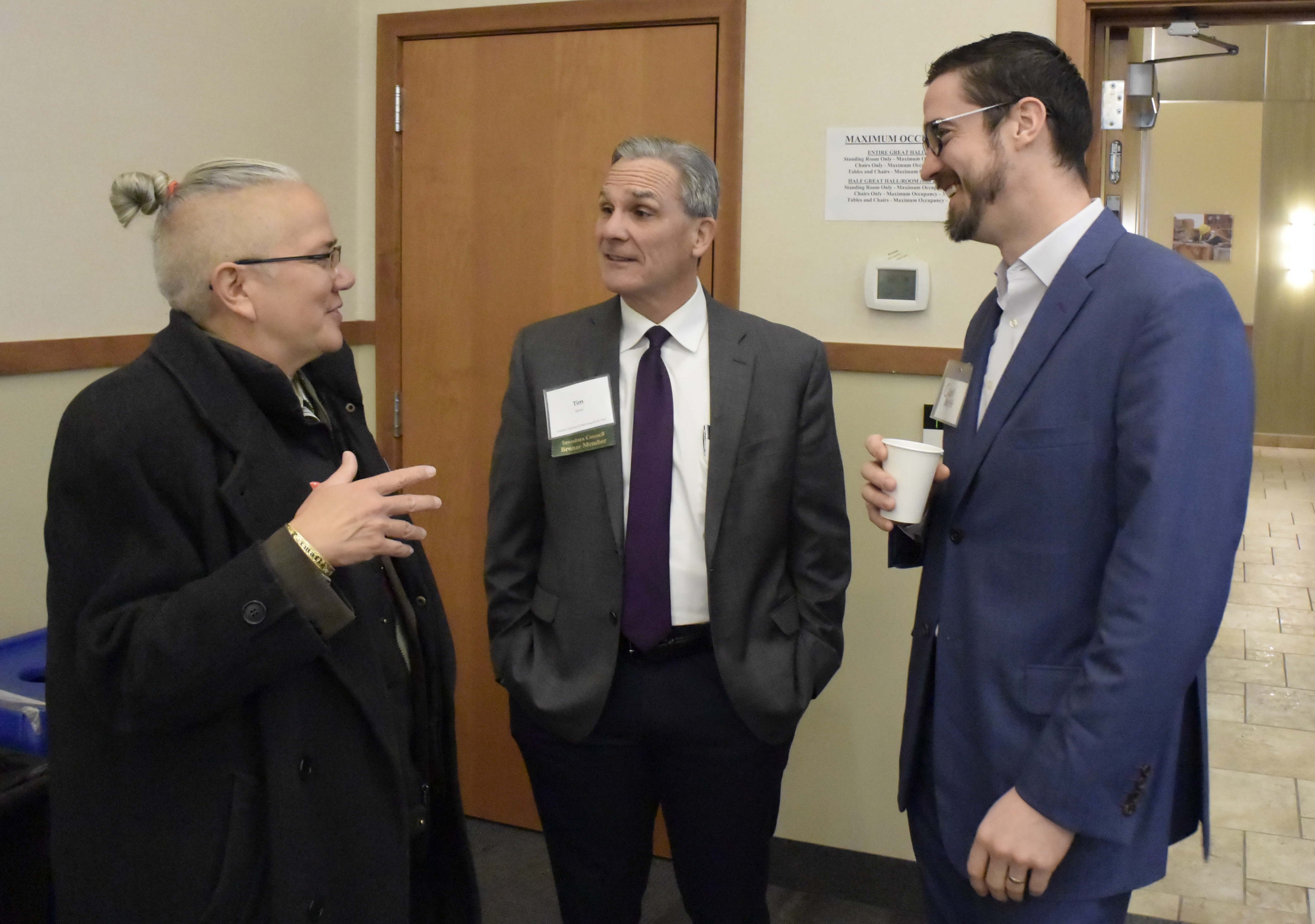
    From left: Sen. Mark Johnson (R-Thief River Falls) and MHP Executive Director Anne Mavity

    Ho and a bipartisan panel of legislators emphasized that in the 2019 session, advocates must seize the moment for affordable housing. Panelists included Rep. Alice Hausman (DFL-St. Paul), Rep. Mike Howard (DFL-Richfield/Bloomington), Sen. Mark Johnson (R-East Grand Forks/Thief River Falls), and Sen. Carla Nelson (R-Rochester). Elizabeth Glidden, MHP Director of Strategic Initiatives & Policy moderated the discussion.

    Minnesota Housing Commissioner Jennifer Ho (left) speaks to MHP Investors Council members

    Sen. Mark Johnson and Sen. Carla Nelson pointed to one solution on the docket this session: the Minnesota Tax Credit Contribution Fund for Affordable Housing (TCCF) – a key item on MHP’s legislative agenda co-authored by Senators Johnson and Nelson.  

    Sen. Johnson emphasized that now is the time to engage with tax committee chairs to ensure they prioritize the TCCF. He encouraged attendees to take advantage of opportunities to directly advocate their legislators, including MHP’s Wednesdays at the Capitol. “We’ve seen something that’s been very effective,” Johnson said, referring to North Dakota’s Housing Incentive Fund, a similar program that leverages $5 for every $1 invested. “Let’s bring it up North.”

    From left: Panel moderator Elizabeth Glidden, MHP Director of Strategic Initiatives & Policy, and panelists Sen. Mark Johnson (R-Thief River Falls/East Grand Forks), Sen. Carla Nelson (R-Rochester), Rep. Alice Hausman (DFL-St. Paul), and Rep. Mike Howard (DFL-Richfield/Bloomington)

    Sen. Nelson said she sees the TCCF as a key tool to address Minnesota’s affordable housing shortage – a major barrier to economic growth – by incentivizing private investments and helping limited state resources go farther. “With the housing tax credit, every Minnesotan can be part of the solution,” Nelson said.  

    Rep. Howard said he’s excited about another potential tool to help communities meet their affordable housing needs: a state matching fund to incentivize the creation of Local Housing Trust Funds, another initiative supported by MHP. “We know Local Housing Trust Funds work,” Howard said. “They’re efficient and leverage private dollars, and it’s a solution that can be tailored to the diverse housing needs across the state.” 

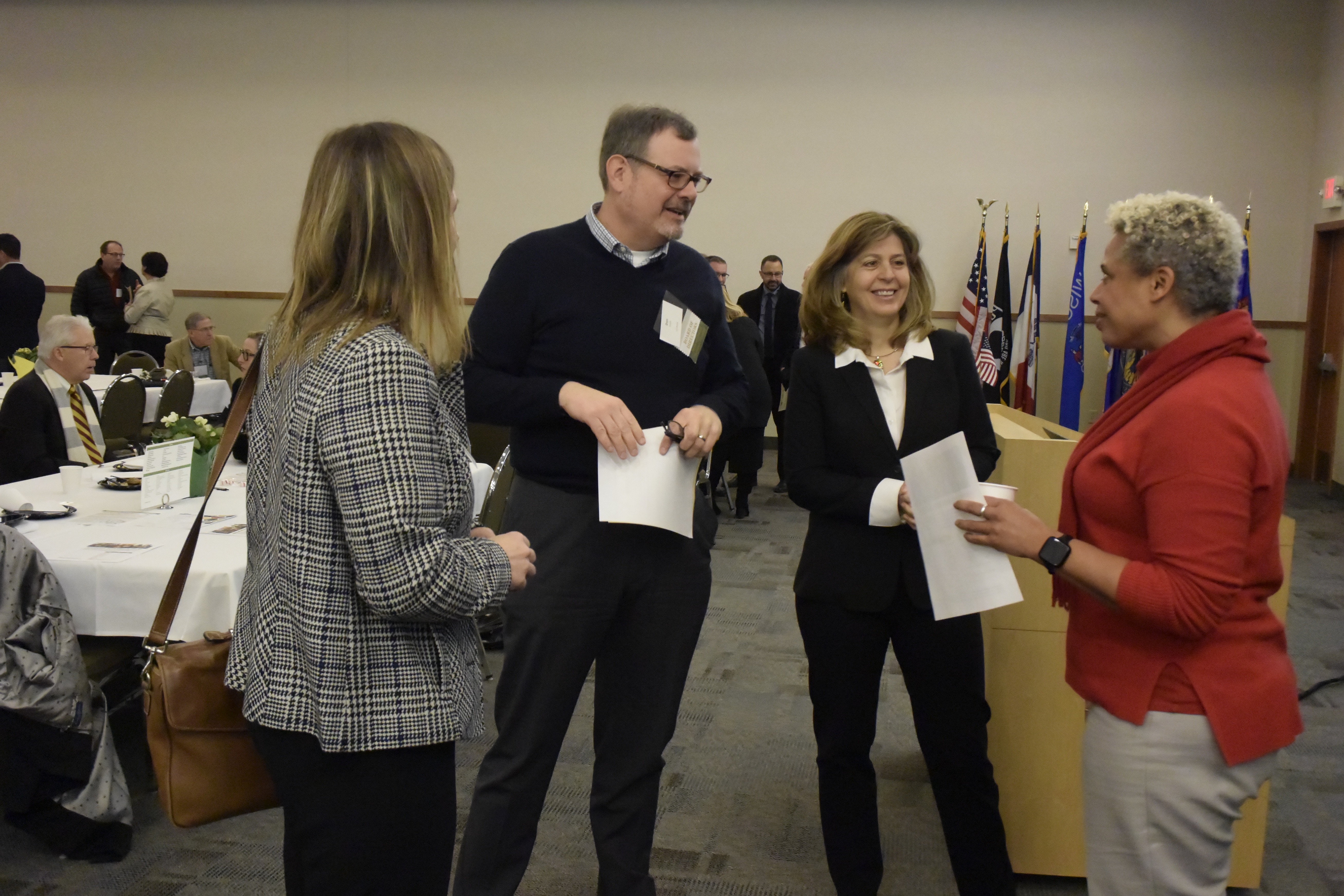
    MHP board members Buffy Beranek (Southeast MN Multi-County HRA) (left) and Dan Smith (U.S. Bank) and MHP Executive Director Anne Mavity speak with Lisa Tabor (Culture Brokers, LLC) (right) 

    Chief Author of House legislation to establish the state matching fund, Howard said that state investment will help communities get their trust funds off the ground. “My community in Richfield has had discussions about establishing a trust fund,” Howard said. “Having a state match would provide the will to move it forward.” 

    Rep. Hausman said the establishment of the House Committee on Housing Policy and Finance – the first housing-only committee in years – is positive sign. “The bipartisan nature of the issue gives me hope,” Hausman said. 

    However, Hausman underscored that advocates need to speak up as leadership sets budget targets for each committee. “That’s when you need to weigh in to make sure housing is on their radar,” Hausman said. 

    MHP board member and CommonBond Communities CEO, Deidre Schmidt

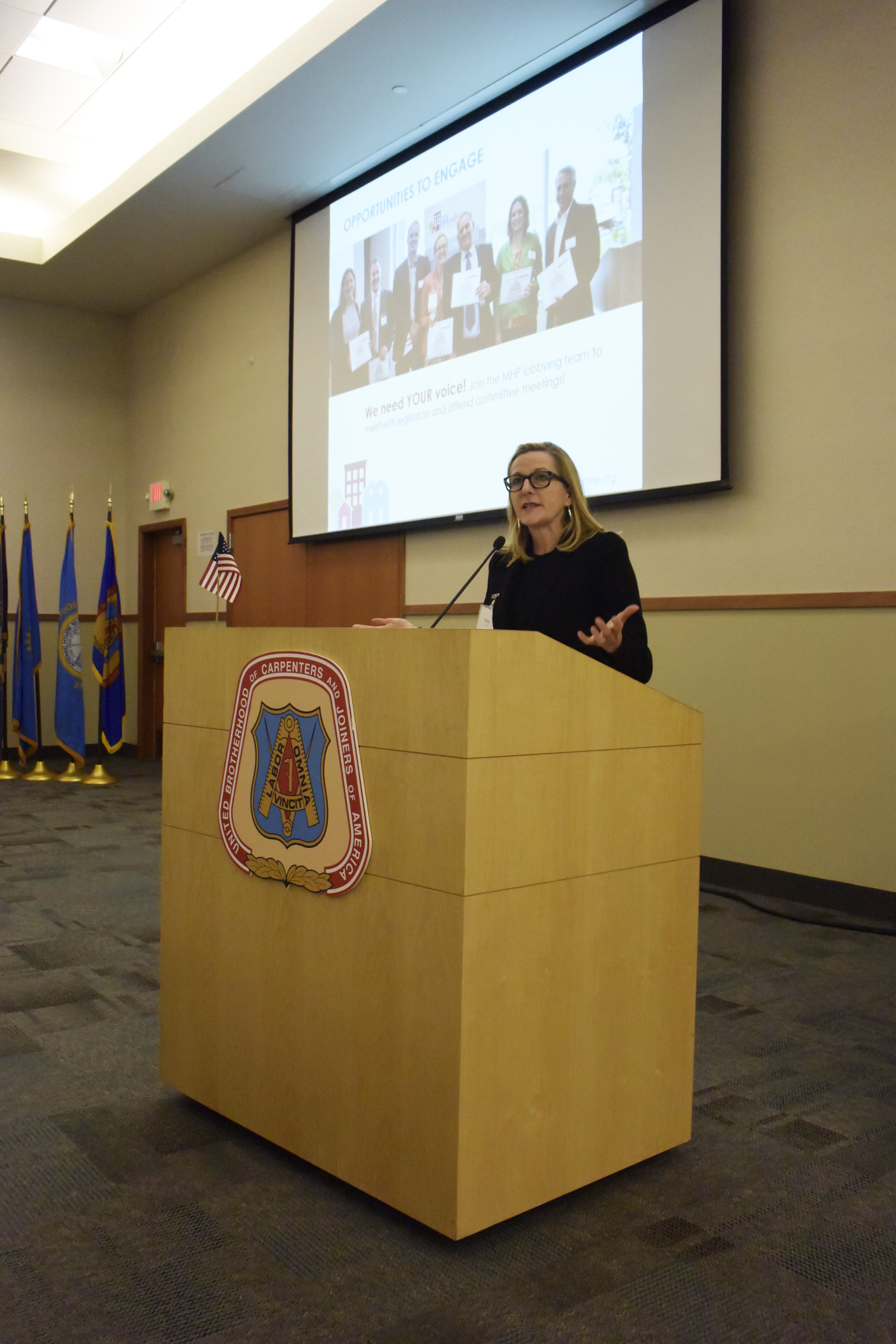
    MHP board member and CommonBond Communities CEO Deidre Schmidt closed the program, urging attendees to sign up for MHP’s Wednesdays at the Capitol and to join MHP’s Investors Council to help ensure lawmakers prioritize affordable housing the 2019 session and beyond.

    Breakfast attendees converse after the program. See more photos from the event!

    To be part of these dynamic conversations, join or renew your membership in the MHP Investors Council today!

  • Our view on the federal shutdown: Our communities are not bargaining chips

    The federal government shutdown may be on pause, but people across the U.S. are still feeling the impacts of the 35-day shutdown. With no budget adopted, the unpredictability continues, and long-term impacts are still unclear. We’re anxiously looking ahead two weeks when the next deadline looms. By then, it is critical that lawmakers in Washington pass clean, full-year spending bills that fully fund critical housing and community development programs.  

    MHP has been tracking the impacts of the shutdown. For some Americans, the shutdown was an inconvenience. But for many families and especially for our most vulnerable neighbors, the impacts are serious, severe, and disruptive.

    In rural communities across the U.S., more than 268,000 families who rely upon USDA rental assistance faced eviction and homelessness as a result of the shutdown. Critical USDA loan programs that fund water systems, rural health clinics, and schools have stalled.

    The shutdown has had a disproportionately severe impact on Native communities. Programs providing crucial services like food, healthcare, education, and housing have ground to a halt or are facing extreme financial hardship, harming community members who rely on these programs to make ends meet. Read a letter to Congress from the National Congress of American Indians, the National American Indian Housing Association, the National Indian Health Board, and other groups to learn more. 

    Our communities should not be used as bargaining chips for political fights. When the government shuts down, lives are on the line – now and in the future. NLIHC’s statement on the shutdown argues that it’s impossible to effectively govern in three-week increments. We agree. We must invest in the stability of our communities and lay the groundwork for a prosperous future by securing – and fiercely protecting – reliable access to housing. 

    You can help.

    Join MHP in signing NLIHC’s letter urging Congress and the President to pass clean, full-year spending bills that fund housing programs and other key initiatives we rely upon to make ends meet.

  • Drastic temperatures underscore the importance of access to safe, quality housing

    The extreme cold and windchills in the Midwest have dominated headlines this week. When the temperature drops well below zero, a warm place to call home is crucial for survival. But too many Minnesota families simply don’t have a safe, warm place to live. For people experiencing homelessness, the cold is downright dangerous. 

    “It’s pretty brutal weather to be experiencing homelessness,” said Ariana Daniel, Executive Director of Servants of Shelter, a homeless shelter located in International Falls, Minnesota. 

    Currently, Daniel’s shelter is at full capacity, with five households. Four are temporarily housed in local hotels. Fifteen are on the shelter’s waiting list. 

    In International Falls, one of the nation’s coldest cities, extreme temperatures are nothing new. “We get this weather every winter,” said Daniel. “This winter is not unique, and there’s nowhere in our town – not a laundromat, not a fast food restaurant – where people can be out of the cold if they don’t have a place to live.”

    For this reason and others, homelessness in rural areas is often invisible. But Daniel, whose shelter served 278 individuals last year, knows all too well that the number of people experiencing homelessness in the region is rising. “That’s definitely due to the lack of affordable housing and our deteriorating housing stock,” she said. 

    A recently-released housing study for Koochiching County, where Daniel’s shelter is located, shows that the region’s housing needs run the gamut from preventing homelessness, to senior housing, to housing for middle- and higher-income working people. Daniels said it’s especially concerning that the county doesn’t have a single unit of permanent supportive housing – a type of housing with onsite services that helps people who have experienced homelessness maintain stable housing. 

    To address these pressing needs, Daniel and several other Koochiching County groups have joined together to form the Koochiching County Housing Collaborative, a group of housing stakeholders that’s already tackling their first rental housing development project in more than 30 years. They’re working to transform the historic Alexander Baker Building, once a school, into affordable rental homes. Attached to the Backus Community Center, a thriving community hub for the arts and more, the project is one step forward in addressing the region’s housing needs. 

    “We can make meaningful change, but there’s a lot of work to do,” Daniel said. 

    Daniel’s hope is that one day, her shelter will be used as intended – to house families in short-term, emergency situations only. But right now, like many Minnesota communities, homelessness continues to be a fixture. “It’s a cycle of poverty and lack of opportunity that creates something completely avoidable,” Daniel said. 

    Help prevent and end homelessness in Minnesota. Support the 2019/20 Homes for All MN legislative agenda, and register today for Homeless Day on the Hill, convened by Minnesota Coalition for the Homeless.

  • House Committee on Housing Policy & Finance hears Homes for All MN agenda

    On Wednesday, a diverse lineup of passionate testifiers urged the House Committee on Housing Finance and Policy to champion Homes for All MN’s 2019/20 legislative agenda. (Read more from Session Daily.) The agenda calls for $430 million in bold investments to prevent and end homelessness, preserve and develop affordable housing, promote housing stability, and support homeownership.  
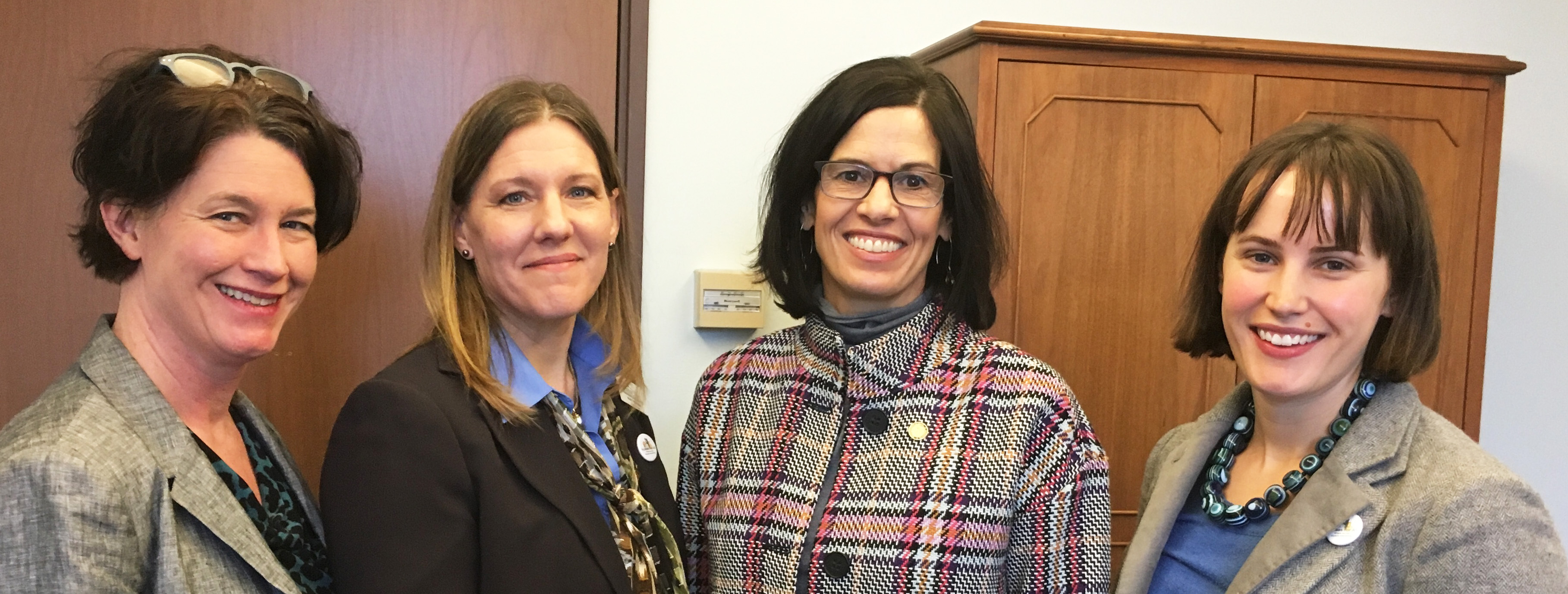
    United, testifiers underscored a key message: Where we live impacts everything.  

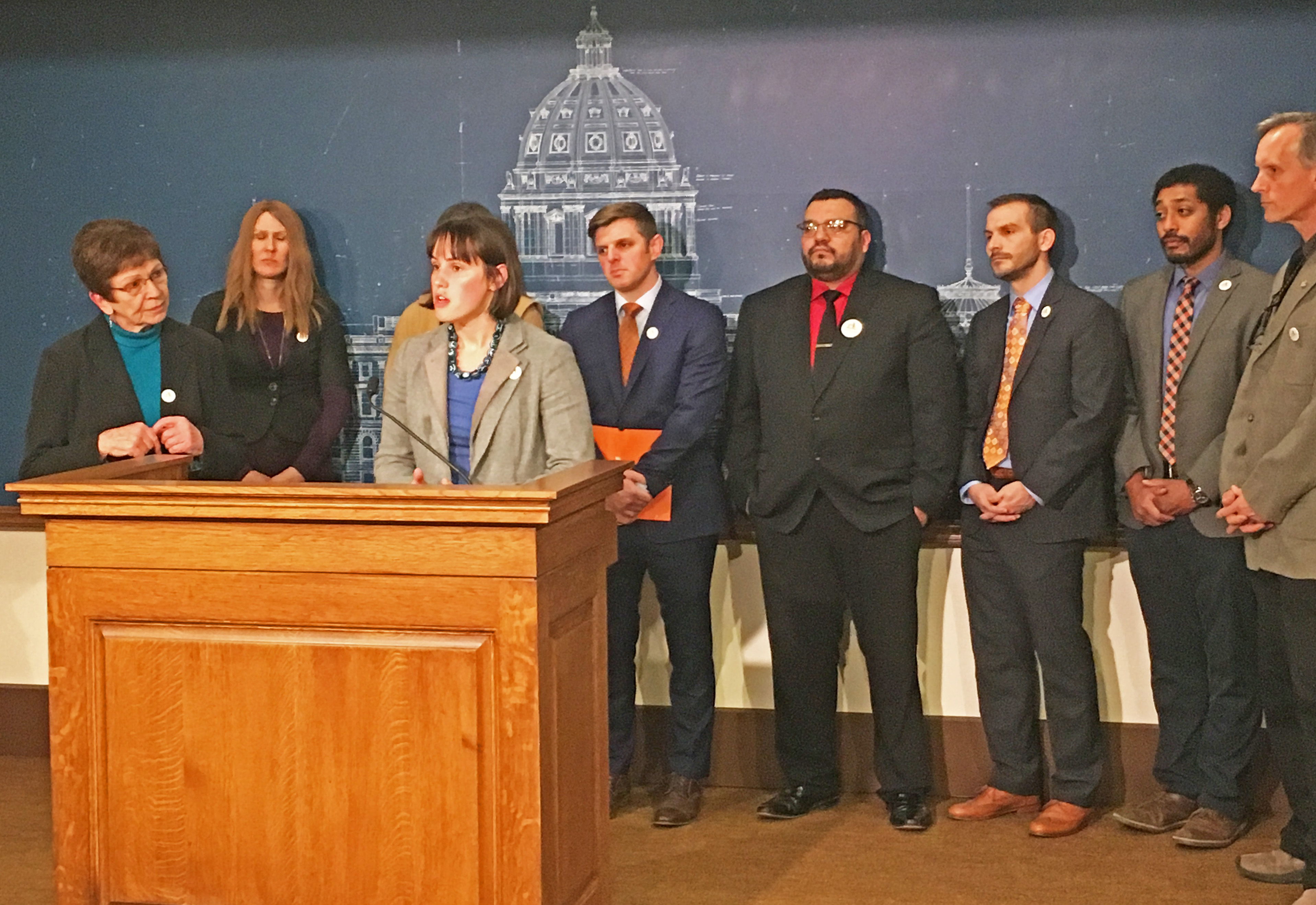
    Photo: MHP’s Libby Murphy, a Homes for All MN Policy Co-Chair, speaking at Wednesday’s Press Conference

    “If you care about education, you have to care about housing,” Senta Leff, Homes for All Co-Chair and Executive Director of Minnesota Coalition for the Homeless, said. “If you care about workers, you have to care about housing. If you care about seniors, if you care about local economies, you have to care about housing first because it’s an essential ingredient for success in every other area.” 

    Other testifiers included Ryan Vernosh, Maxfield Elementary School Principal; Jeff Washburne, Executive Director of the City of Lakes Community Land Trust; Buffy Baranek, Executive Director of the Southeast Minnesota Multi-County Housing and Redevelopment Authority; Jordan May, Executive Director of the Red Lake Homeless Shelter; Jonathan Weinhagen, Minneapolis Regional Chamber of Commerce President; and Monica Nilsson, homeless advocate and consultant. 

    After the hearing, Homes for All coalition leaders and housing advocates convened for a press conference. The conference garnered statewide news coverage, including from publications based in Bemidji, Duluth, Willmar, and the Twin Cities. Thanks to Representatives Robert Bierman (DFL-Apple Valley), Alice Hausman (DFL-St. Paul), and Mike Howard (DFL-Bloomington/Richfield), and to Sen. Carla Nelson (R-Rochester) for attending the conference. Lawmakers from both sides of the aisle recognize that housing intersects with many key issues – including Minnesota’s economic competitiveness.

  • Session Scoop: Bills to watch and how to get engaged

    Week three of the 2019 Legislative Session is in the books! MHP and our Homes for All partners are meeting with lawmakers from key committees and finalizing bill language for our legislative priorities.
    On Tuesday, January 22, Minnesota Housing Commissioner Jennifer Ho presented introductory remarks to the Senate Agriculture, Rural Development, and Housing Policy Committee. She reviewed Minnesota Housing’s relationship to the legislature and responded to a variety of questions from Senators, including about housing shortages and costs across the state, the intersection of housing with issues such as health, and how to bring down the cost of homes.

    From left: MHP Director of Strategic Initiatives & Policy Elizabeth Glidden, Southeast Minnesota Multi-County HRA Director Buffy Beranek, Rep. Barb Haley (R-Red Wing), and MHP Deputy Policy Director Libby Murphy

    On Wednesday, MHP hosted advocacy volunteers who attended a hearing on the Homes for All Agenda, then met with lawmakers. Thank you to Representatives Barb Haley (R-Red Wing), Gene Pelowski (DFL-Winona), and Tama Theis (R-St Cloud) for meeting with us on housing policy issues!

    On Thursday, legislation to establish the MN Tax Credit Contribution Fund for Affordable Housing (TCCF) was introduced in the Senate and referred to the Taxes Committee as SF404. Please join us in thanking Senate authors for their leadership!

    BILLS TO WATCH 

    A bill which had an early hearing allows homeowners with racial covenants to attach to their title a document renouncing racist language. Sponsored by Rep Jim Davnie (DFL-Minneapolis) and Sen. Jeff Hayden (DFL-Minneapolis), you can read more from the Star Tribune. 

    GET ENGAGED

    Get to know the members of the Senate Agriculture, Rural Development and Housing Policy and Agriculture, Rural Development and Housing Finance Committees. These Senate committees will hear most bills that relate to housing, including bills that will impact Minnesota Housing Finance Agency’s policy or budget.

    Sign up to advocate with MHP Wednesdays at the Capitol! Let us know when you can come, we’ll do the work to schedule meetings with lawmakers and prepare you for the day.

    Sincerely, 

    Libby Murphy and Elizabeth Glidden, MHP’s Policy Team

    Follow us on Twitter to stay in-the-loop!

  • MHP supports bill to promote and resource Local Housing Trust Funds statewide

    To grow and sustain their economies, cities are looking for creative ways to make housing development work. Local Housing Trust Funds (LHTF) are a proven tool to help meet local housing needs — and MHP is leading the charge on a measure in the Minnesota legislature (HF 1607 | SF 1389) that would encourage and fund the creation of LHTFs across the state.
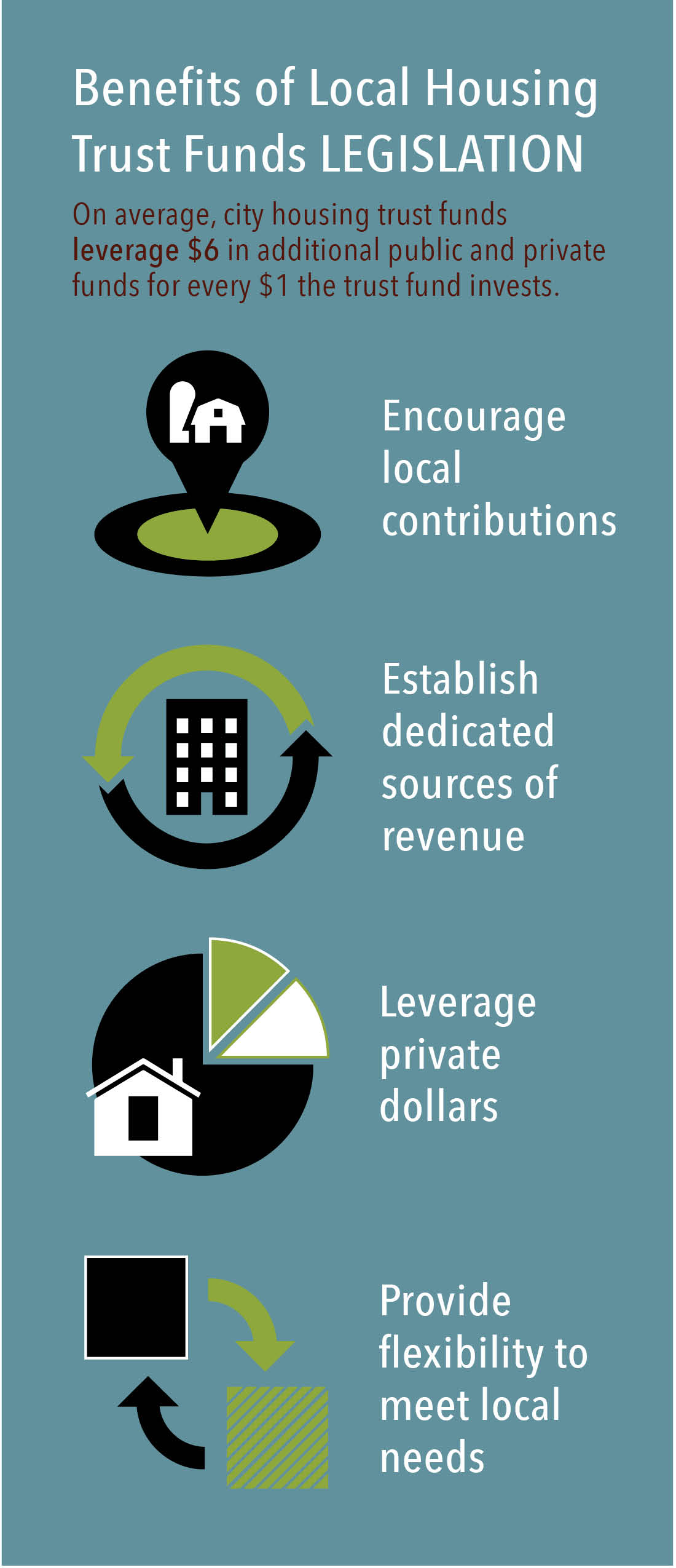
    Local housing trust funds are a consistent, flexible resource for the development of housing within a local jurisdiction. These trust funds allow communities to attract additional resources from public and private organizations and jump start projects that draw investment and jobs. Administered by local jurisdictions, LHTFs enable communities to prioritize developments that maximize benefit to the local community.

    With more than 770 city, county and state housing trust funds in 47 states and Washington, D.C., housing trust funds can be created in small and large cities, rural counties, and metropolitan areas. Nationwide, these funds generate more than $1 billion per year.


    Housing Trust Funds In Minnesota

    Already, a number of communities in Minnesota have or are benefiting from local housing trust funds.

    ROCHESTER: From 1999 to 2012, the City of Rochester’s housing trust fund leveraged $22 million in funds and served more than 1,000 households. According to Steve Borchardt, Housing Initiative Director for the Rochester Area Foundation, “there’s no question” the fund helped to attract development and jobs to the area.

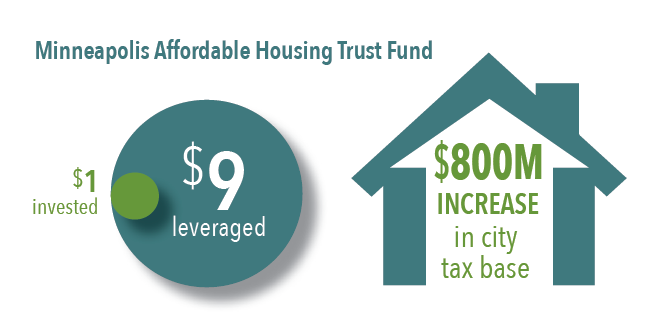
    MINNEAPOLIS: The City of Minneapolis created its Affordable Housing Trust Fund (AHTF) in 2003, and resources it with a combination of city and federal resources. As a direct result of the AHTF the city tax base has expanded by up to $800 million, leveraging $9 for every dollar invested in the fund.

    RED WING: The City of Red Wing recently established a trust fund, which is funded by maximizing the HRA levy. As of early 2017, more than $200,000 has been invested in the fund.


    Proposed legislation

    Close to 75 percent of the local housing trust funds in the U.S. are in states where enabling legislation has encouraged cities and/or counties to advance local housing trust funds.

    This legislation (HF 1607 | SF 1389) will provide local jurisdictions with clear direction and promote the establishment of local trust funds that bring together public as well as private investment. Legislation also would give communities flexibility in establishing trust funds including the development of city, county and even multi-jurisdictional trust funds.

    Close to half of U.S. cities indicated that their housing trust fund received initial funds to jumpstart its implementation. The legislation rewards local jurisdictions for directing HRA levy funds to the trust fund.

    The proposal matches a cities first $100,000 contribution dollar for dollar. The first $500,000 will be matched 50 percent. Therefore, a city dedicating $500,000 or more would receive a $300,000 dollar match.


    Addressing workforce housing needs

    Throughout Minnesota, there is a growing need for decent homes that are affordable to residents across the income spectrum. Leaders across the state recognize this critical need and are eager to address housing challenges in their communities

    For instance, in Mankato, local leaders face significant challenges in providing adequate workforce housing. “We need more tools in the toolbox, and we just don’t have them,” says Patricia Ziegler of the Mankato Economic Development Agency.

    Deanna Hemmesch, with the Central Minnesota Housing Partnership, has the same need for additional tools. “Many of my small town projects could utilize a housing trust fund,” she says, “because they don’t have a way to leverage funds.” Without those dollars her projects often aren’t competitive in applying for state funding.

    Please support the Local Housing Trust Funds legislation (HF 1607 | SF 1389) to provide critical tools and resources for local communities to meet their unique housing needs.

    Download our one-pager, and track the progress of the bill here and here.