MHP’s very own Leah Hall will be presenting at HAC’s Build Rural Conference. The workshop, Housing Preservation Success: Blueprints and Stories, will cover strategies for rural affordable rental housing preservation.
What does it take for an organization to become a force in affordable housing preservation? Four organizations that have successfully included rural affordable rental housing preservation as a priority will share their stories. Presenters will share what motivated their organization to take on preservation work, describe example preservation deals, and describe how preservation fits into their broader organizational strategy moving forward. If you are considering making housing preservation part of your affordable housing toolkit, this session will provide insight from organizations who are actively prioritizing preservation of affordable housing.
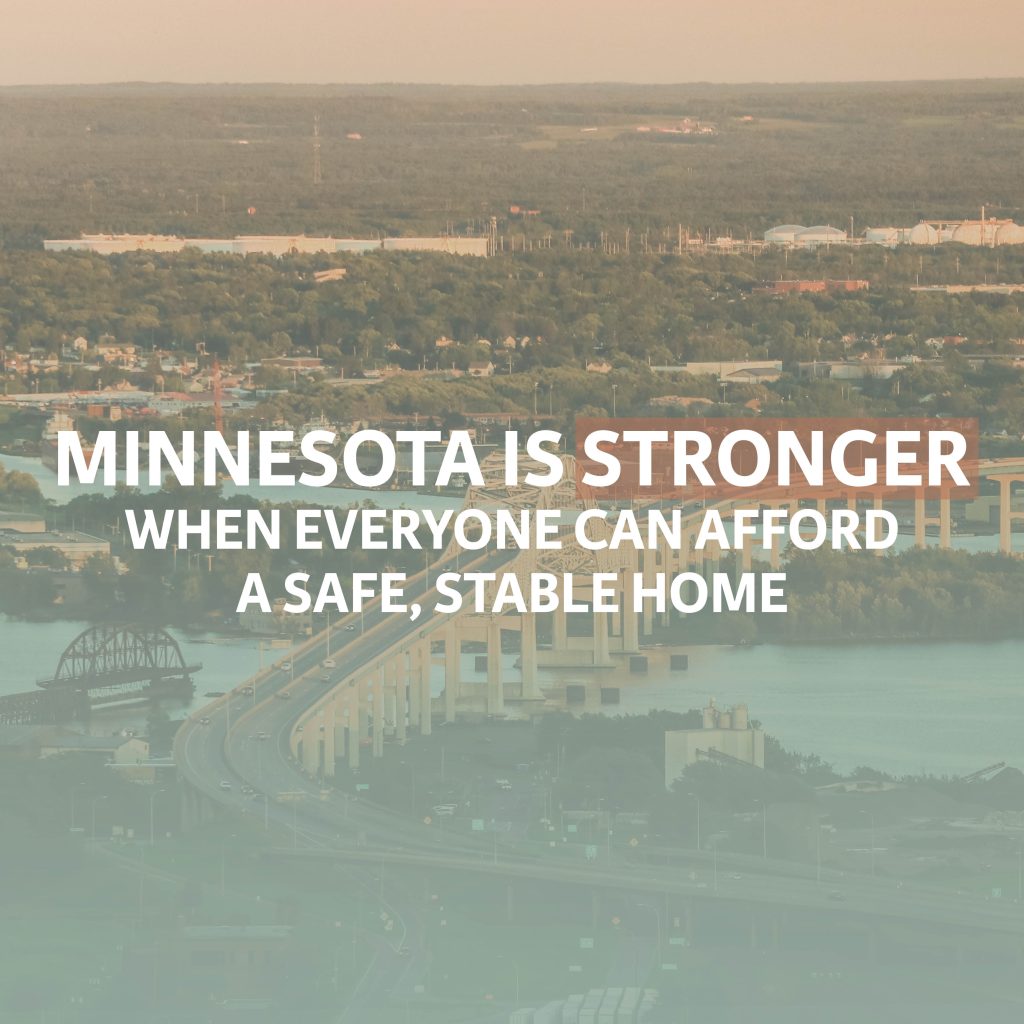
Building Public Support for Housing Solutions in Minnesota
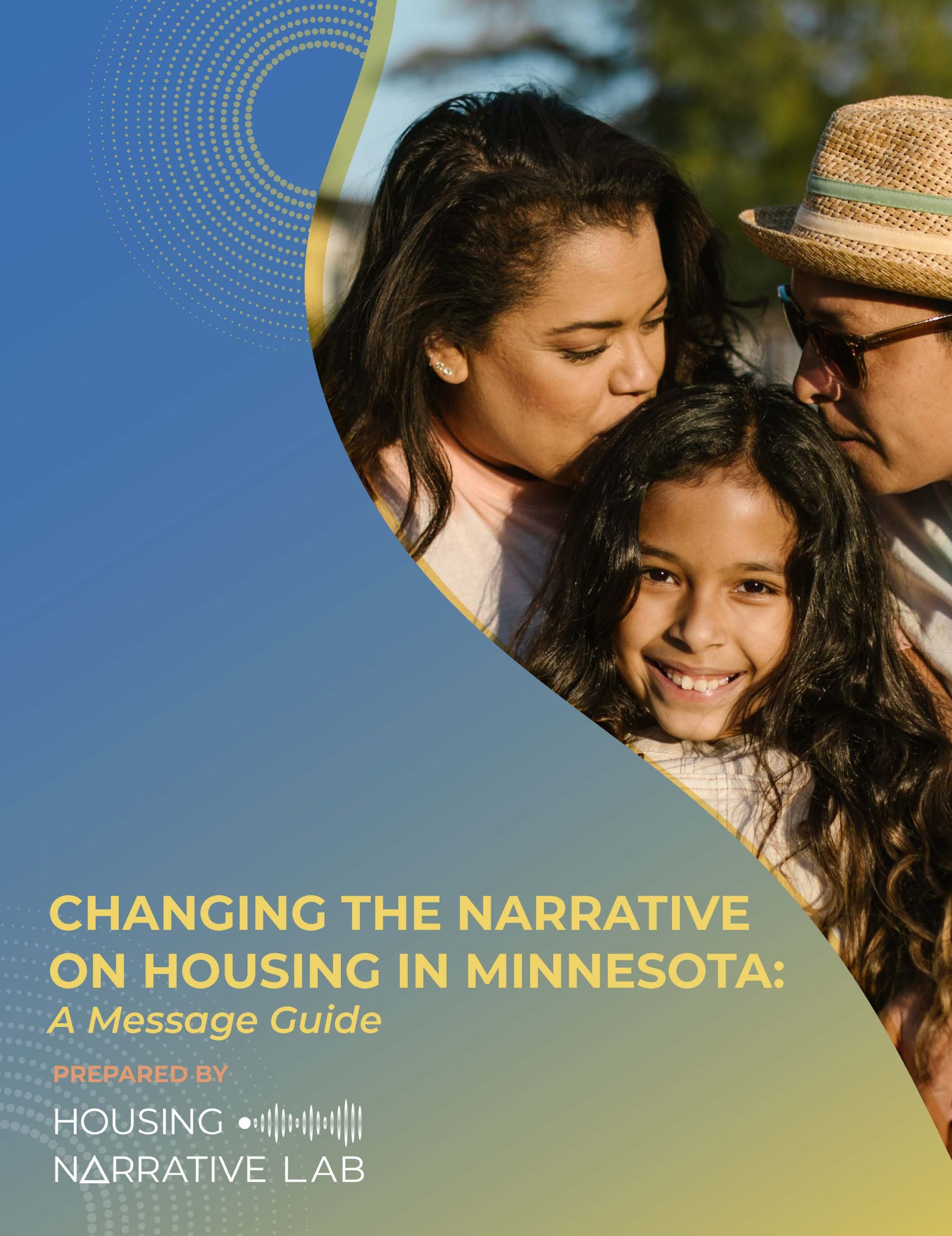
The stories we tell about housing shape what people believe is possible — and what solutions they’re willing to support. Through the Minnesota Housing Narrative Change Project, MHP partnered with Housing Narrative Lab to better understand how Minnesotans across rural, suburban, and urban communities think and talk about housing.
This research, conducted by Lake Research Partners, included focus groups and a statewide survey of 850 Minnesotans. The findings showed that when housing is framed around shared values, stability, fairness, and opportunity, people across political and geographic lines are far more open to solutions.
This work laid the foundation for a broader, ongoing effort to change how Minnesotans talk about housing — not as a niche issue, but as something that affects everyone and strengthens communities. This work continues to shape how MHP and partners approach housing communications, organizing, and community-led development efforts across the state.
The Next Chapter: Home Stories
Home Stories is a statewide storytelling platform that lifts up real voices and builds shared understanding about housing in Minnesota. It grew out of the Narrative Change Project and is led by the Heading Home Minnesota Funders Collaborative, with MHP as a partner.
Many of the tools and resources from this project now live on the Home Stories site, with more continuing to move there over time.
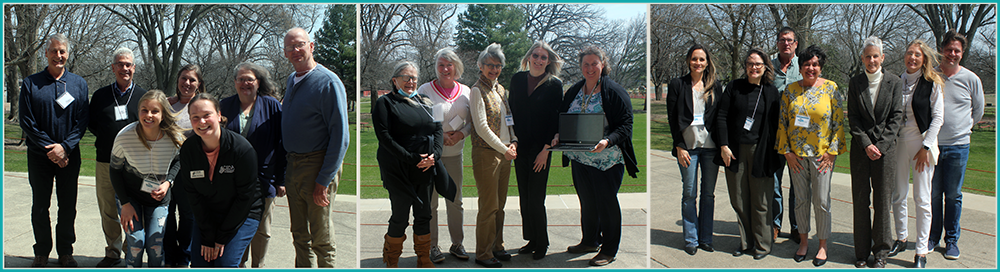
On a windy Rochester day, Housing Institute 8 teams gathered to learn how to achieve more affordable housing in their community.
MHP established the Housing Institute in 2010, bringing together housing leaders and stakeholders to share experiences and best practices to catalyze the development of affordable housing throughout the state. This peer-to-peer exchange drives the formation of regional partnerships through a team-based approach, capitalizing on local expertise and resources.
Now in its eighth iteration, the 2022-2023 Housing Institute (HI8) features four teams from Southeastern Minnesota communities: Janesville, Wabasha, Winnebago, and Winona. Throughout the next year and a half, the teams will pursue a specific project addressing the housing challenges they face. MHP supports these efforts via direct technical assistance and workshops.
This past month, MHP kicked off HI8’s first workshop in Rochester, Minnesota with a hybrid in-person/virtual format. MHP worked with the teams in identifying community housing challenges they each hope to address―establishing a firm foundation for the work to come.
Future workshops will include exploration of development models and strategies, existing resources, funding opportunities, and more. Curriculum is tailored to each teams’ needs, driving solutions in supportive and senior housing opportunities, addressing homelessness, and identifying viable building territory. Keep an eye on our website to see how teams progress at the Institute! Questions about the Housing Institute? Contact Housing Institute Coordinator Harlan Buckalew via phone at 651-925-5536 or harlan.buckalew [at] mhponline.org.
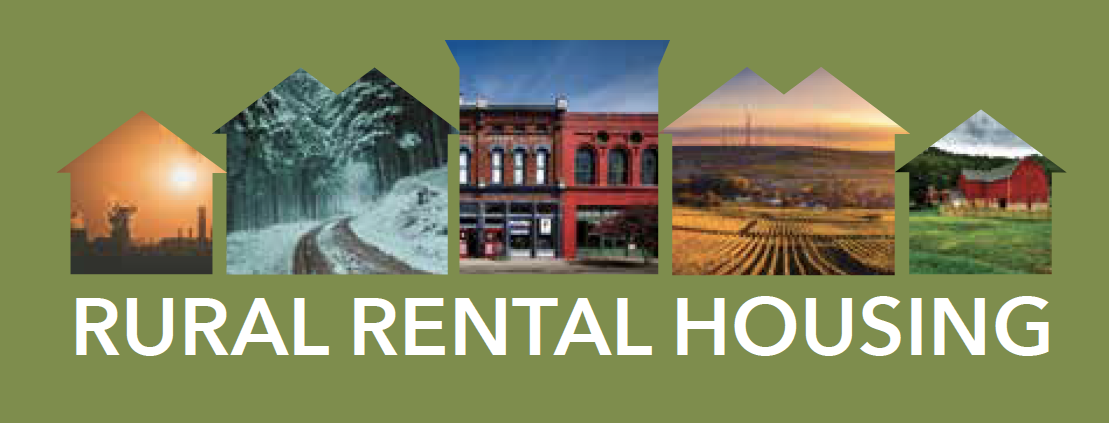
Minnesota Housing Partnership has released Rural Rental Housing: Report and Recommendations (April 2020).
The report is a culmination of stakeholder surveys and a fall 2019 convening of rural rental housing policy stakeholders in Little Falls, Minnesota. Rural housing advocates and community members met to talk about solutions to a variety of rural rental housing challenges. Even within the context of a world coping with the effects of COIVD-19, the recommendations from this group remain relevant, with identified needs magnified.
The discussion included a focus on Minnesota’s unique portfolio of USDA Rural Development 515 properties, or rural rental housing that supports residents, elders and families with very low income averaging $16,500 annually. Participants also focused on Minnesota’s manufactured home communities, 65% of which are located in Greater Minnesota.
The workshop helped identify immediate and critical needs for rural rental housing in Minnesota.
Immediate needs include:
Protect low income renters with housing assistance. In Minnesota, state leaders must provide housing assistance of at least $100 million through the Family Homeless Prevention Assistance Program (FHPAP) or another rental assistance program. At the federal level, $100 billion in emergency rental assistance ( to include renters in USDA financed rental housing) is necessary.
Additional critical needs:
Preserve the USDA rental housing portfolio, with funding to ensure ongoing safe maintenance, operations, and rehabilitation
Capacity building and technical assistance for owners and prospective owners of rural rental housing
Ensure long term affordability and opportunities for resident ownership in manufactured home communities
Engagement of people and communities in Greater Minnesota to ensure that the people most affected by our rural housing challenges are at the table when decisions are made.
Thank you to event sponsors the Housing Justice Center, Initiative Foundation, Greater Minnesota Housing Fund, Minnesota Housing, and Minnesota Housing Partnership. Appreciation to organizing partner Minnesota NAHRO.
View and download the full report here. Read the accompanying cover letter here.
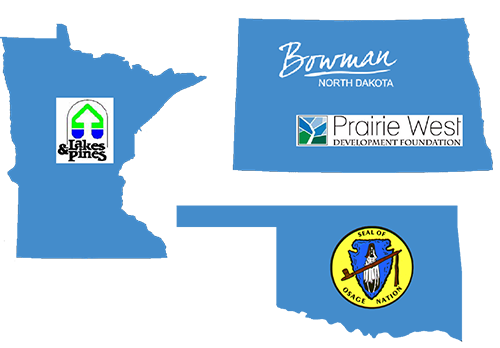
As the result of a recent federal grant, MHP staff are preparing for work in three rural US communities: Osage County, Oklahoma, the Lakes & Pines Region of E. Central Minnesota, and Bowman and Golden Valley counties in North Dakota. All three communities, which have undertaken extensive planning and strategizing, are poised to implement a wide variety of development projects under the grant.
“The grant will enable the communities to translate their plans into action and implement strategies that yield actual development and housing on the ground.” -Rosemary Fagrelius, Community Development Director at MHP
The work to be completed in northeastern Oklahoma will be in collaboration with The Pawhuska Indian Village, which plans to develop more energy-efficient and culturally relevant housing and create greater food sovereignty through community-supported agriculture.
The Lakes & Pines community, which was one of the Minnesota’s hardest hit regions in the recession, is planning to create more rental housing and to implement a single-family home improvement rehab program.
In light of rapid growth since the oil boom of the mid-2000s, Bowman and Golden Valley counties want to diversify the local economy outside the oil and gas industries to ensure the economic stability of the region. Local agencies plan to increase access to affordable homeownership, for the benefit of residents and the region.
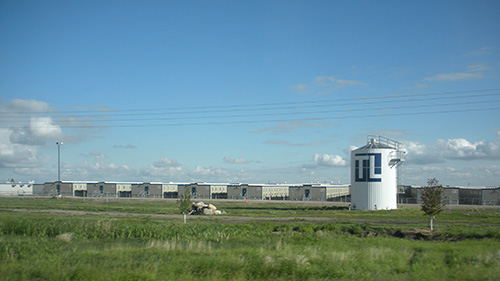
“Crew camp” housing scatters the northwestern North Dakota landscape as a temporary solution to population swells since the oil boom. Photo taken by Capacity Building Manager, Bill Vanderwall.
MHP has a history working with each of the recipient communities, which will help kick-start these new activities. MHP staff have worked with a number of agencies in Lakes & Pines through MHP’s Housing Institute, and in North Dakota through work with the groundbreakingVision Westinitiative. Work with the Osage Nation builds on MHP’s longstanding partnerships within the American Indian community, most notably with members of the Pine Ridge and Rosebud reservations. MHP staff look forward to the work ahead and the opportunity to continue supporting the growth and success of rural communities nationwide.









 As the result of a recent federal grant, MHP staff are preparing for work in three rural US communities: Osage County, Oklahoma, the Lakes & Pines Region of E. Central Minnesota, and Bowman and Golden Valley counties in North Dakota. All three communities, which have undertaken extensive planning and strategizing, are poised to implement a wide variety of development projects under the grant.