
• Take 5 with MHP’s Austin Fleming

    Take 5 with MHP’s Austin Fleming

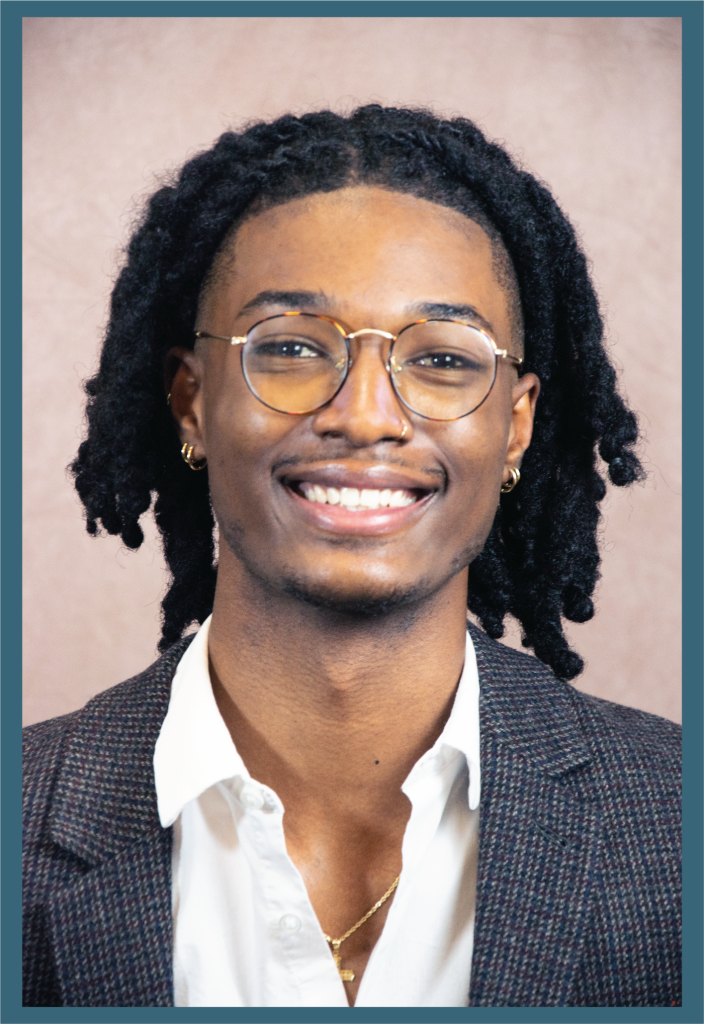
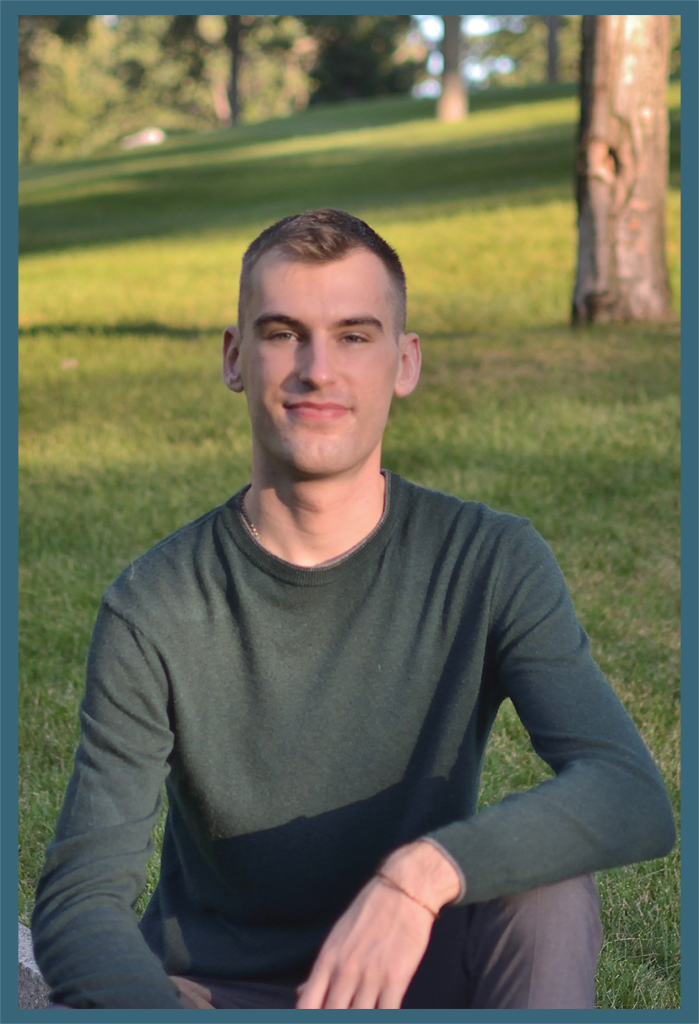
    Take Five is MHP’s series that asks the same five questions of a variety of people intersecting with MHP, from staff to housing advocates! Austin Fleming joins MHP as an AmeriCorps VISTA member, working specifically on our narrative change project.

    Austin Fleming

    Q1. What is your name and title?

    Austin Fleming, Narrative Change and VISTA Tenant Organizer

    Q2. What attracted you to working with MHP?

    I really appreciated that MHP is working to create lasting systemic change by amending the state constitution. I like to think of a constitution as a codification of values, and the amendment will go a long way in shifting how Minnesotans think about housing.

    Q3. What’s a challenge in the field of housing right now?

    I think the biggest challenge to the field of housing is market logic. Housing is a fundamental human need, and the pursuit of profit inevitably creates disparities in accessibility and affordability. The legal framework of private property also obfuscates and facilitates housing discrimination.

    Q4. Is there a book by your bed, and what is it?

    Though not by my bed at the moment, Joseph Heller’s Catch-22 is a staple. The book is absurd and hilarious, then on a dime shifts to hauntingly sad then beautifully optimistic. It really captures the whiplash of life in the modern world. This reminds me that I’m due for a re-read.

    Q5. Who is your superhero? 

    The closest thing I have to a superhero is my master’s advisor Kristen McCauliff. In addition to being a trusted mentor and brilliant scholar, she is a community advocate and dedicated mother. I would not be in this position without her support, and she continues to inspire me to better myself and my community.


    MHP is grateful to the AmeriCorps VISTA program and Sponsoring Organization HOME Line.

    Look out for more Take 5 profiles coming soon!

  • Community Development Success Story:  Chipola Florida Area Habitat for Humanity

    MHP’s travels recently included Florida, to reconnect with a beneficiary of our technical assistance work, Chipola Area Habitat (CAH). CAH seeks to develop a 9-acre site known as the “Cook Property” for affordable housing, and we worked with them to select an architectural firm to help create a master plan for the site. Fitzgerald Collaborative out of Tallahassee, a certified Minority Business Enterprise (MBE), was chosen.

    While in Marianna, we facilitated a community engagement meeting in the City’s historic Black neighborhood, which has historically faced a lack of investment. More than 20 residents attended alongside representatives from Chipola College, City Commissioner and CAH Board member Travis Ephriam, and State Representative Shane Abbott. During the neighborhood planning presentation, MHP introduced the centuries-old, now-social justice saying “Nothing about us, without us, is for us,” to underscore the need for authentic engagement that is community-driven.

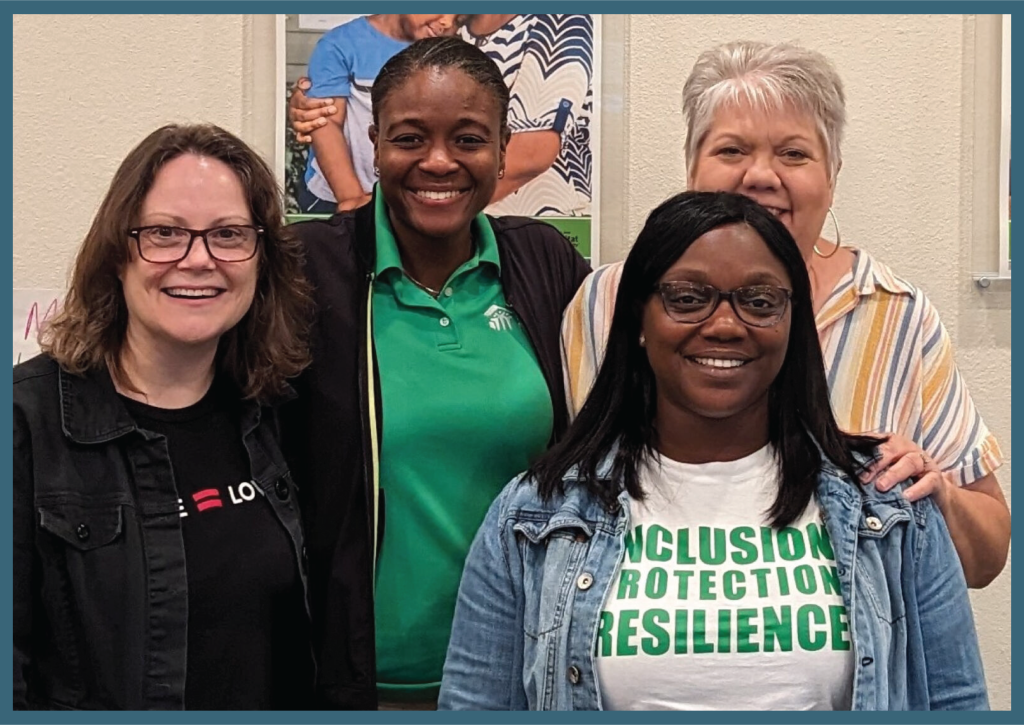
    From Left: Jill Henricksen, MHP; Chipola Area Habitat for Humanity staff.

    MHP’s community technical assistance model is built around self-determination and locally-identified needs, and our experience informs us that the participation and prioritization of communities impacted by racial and economic disparities is critical to successful community development work.

    The lively meeting resulted in the start of a neighborhood revitalization plan for the West End, and identifying community members to participate on a steering committee for the master planning at the Cook Property, as there are many connections between these two parts of the city.

    With the steering committee organized and the architectural firm selected, MHP will now assist CAH in the next steps of the master planning process, including completing necessary predevelopment studies for the site. The creation of a new advisory committee made up of Habitat homeowners is also in the works. We look forward to our continued work in Marianna, and to see the fruits of the community’s efforts in new affordable housing!

    Does your region or community need help adding affordable housing to your area? 

  • Community Development Success Story:  Lower Sioux Indian Community 

    “MHP helped Lower Sioux’s Planning & Grants Department identify a new funder for an upcoming rental construction project. They then sat down with us to teach us how to complete the intensive 15-year feasibility projections and they reviewed our proposal draft. “In the end, we were awarded two grants to build 10 new rental homes at Lower Sioux. We simply couldn’t have done it without MHP’s guidance.” 

    Nora Murphy, Tribal Planner and Grant Writer for the Lower Sioux Indian Community.

    The Lower Sioux Indian Community (LSIC) has a very limited land base (1,743 acres held in federal trust) and a growing population. While housing of all types is needed, planning for the future has been challenging due to limited information on the existing housing stock, housing records that are outdated or incomplete, and the lack of a formal land development plan in place to guide future housing development. 

    The Tribe has 1,124 enrolled members, 85% of whom live on the reservation and/or within the federally designated 10-mile service area that spans three rural counties in Minnesota (Redwood, Renville, and Brown). While the surrounding rural areas are experiencing significant decreases in population, the Lower Sioux’s Enrollment Department reports that the Tribe has seen its population rise 70% since 2000. Just over one-third are young people under 18 years, and 10% are 60 years or older. According to a community survey, 86% of the community state they would like to see their children and grandchildren continue to live on the reservation or in the service area. 

    Due to multiple complications beginning in the 1990s, the Lower Sioux Housing Authority identified a persistent challenge to completing the homeownership process for Tribal applicants due to incomplete land and title records. This limits not only the capacity for new homeowners today but also the ability of the Tribe to assign land use for future housing development.

    While new procedures have been adopted by the Tribe to better track transactions, there remains an estimated 75% of families and homeowners (116) with incomplete land and title files.

    “With our current crew, this was the first housing project we put together.  Having MHP’s guidance and knowledge of the process saved us time and potential mistakes.  It was nice to have MHP on our side during a process that was unfamiliar and at times intensive.”

    Larry Swann, Housing Director, Lower Sioux Indian Community 

    To address the three challenges of lack of housing, incomplete land use and title records, and the need for additional sustainable Tribal revenue streams, MHP began providing on-site and remote technical assistance to LSIC Housing Authority’s and other department staff in 2019. Accomplishments of the project include:

    • A needs assessment outlining the priority needs of LISC and surrounding community.
    • Successfully securing funding for infrastructure, new construction, and rehab (including the creation of an emergency rehab loan program for Tribal members). LSIC’s first-ever application to the Federal Home Loan Bank for construction subsidy for 8 elder units and 2 single-family homes was funded, as was their application to HUD’s competitive IHBG grant application.
    • Creating site and housing design standards; the final design documents have been completed by architects and engineers for the housing units.
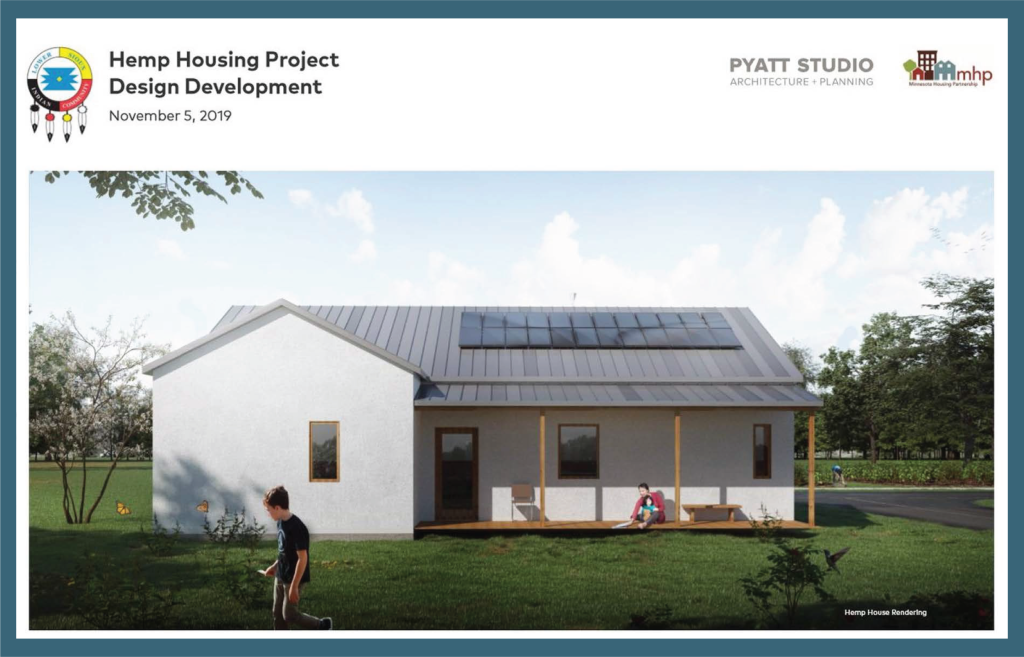
    • Creating a strategy of utilizing the local production of hemp in a closed-loop system to employ local/regional people in the farming of hemp, production of hemp hurd/hempcrete, and the installation of the products into housing units.
    • Completing a feasibility report and business plan (aided by funding from MHP’s Rural Capacity Building program). The preliminary feasibility study/report was used to apply and secure $1.5 million in State EDA funds through the State of Minnesota.

    Throughout the work, MHP participated as an advisor, supporter, and development team participant, providing the necessary technical assistance to get 10 houses funded!

    Update: https://www.mprnews.org/story/2024/01/17/hempinsulated-homes-offer-promise-of-affordable-housing-and-jobs-for-lower-sioux-community

    Does your region or community need help adding affordable housing to your area? 

  • Community Development Success Story: MHP Partners with Tennessee Outreach Project

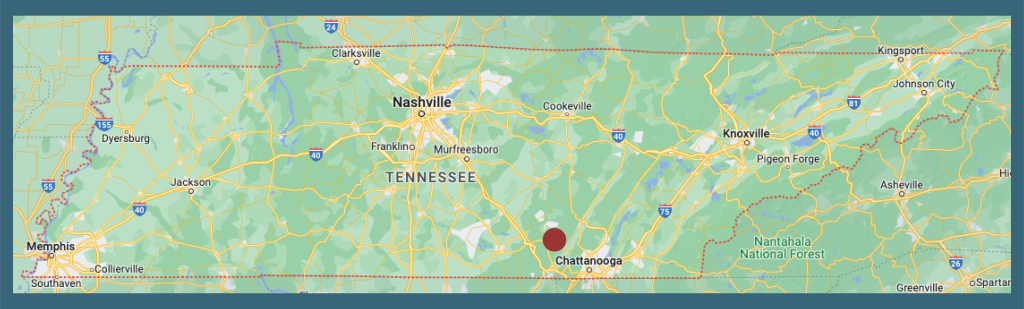
    Mountain T.O.P. (Tennessee Outreach Project) is a faith-based nonprofit that offers several programs to “meet the physical, spiritual, social, and emotional needs of all the people [they] encounter” including a food shelf and home repair. They are based in Grundy County, which has a poverty rate of  19.1%. They were interested in starting a new construction program for single family homes that could offer replacement homes for very low-income families.

    Shortly after MHP began working with Mountain T.O.P., their longtime Executive Director retired, leaving their Program Director in the interim position. Despite the challenges of the loss of the position, the team was able to accomplish several goals including conducting a Housing Needs Assessment for which a housing advisory group was established and still meets today! MHP also helped to draft a business plan for a single family development program using value gap funding from the Tennessee Housing Development Agency and Federal Home Loan Bank’s AHP funds. Included in that document was a template for construction budgets and a list of general contractors building in the area. Finally, the team identified development opportunities with regional partners, such as South East Tennessee Development (SETD), Better Fi, a local CDFI. In April 2022, Mountain T.O.P. held a Housing Summit for the first time, with more than 25 organizations present, including Tennessee Housing.

    Does your region or community need help adding affordable housing to your area? 

  • Take 5 with MHP’s Matt Encarnación

    Take 5 with MHP’s Matt Encarnación

    Take Five is MHP’s series that asks the same five questions of a variety of people intersecting with MHP, from staff to housing advocates! We are excited to welcome Research Intern Matt Encarnación.

    Matt Encarnación

    Q1. Who are you?

    Hello! My name is Matt Encarnacion (he/him) and I’ll be pursuing my Master of Science in Social Policy at the University of Pennsylvania this fall. Currently, I serve as a Research Intern for the Low-income Housing Tax Credit (LIHTC) project.

    Q2. What attracted you to working with MHP?

    MHP’s commitment to racial and economic equity through affordable housing advocacy, research, and community development affirms my dedication to social justice and aligns with my foundational goal of seeking to promote a socially-just society.  

    Q3. What’s a challenge in the field of housing right now?

    While many challenges pervade the field of housing, the risk of charging market-rate rents in desirable neighborhoods with many opportunities once affordability restrictions expire is something that I view to be troubling. Low-income renters may be displaced, segregating residential spaces further and stripping these tenants of the positive psychosocial and physical benefits that accompany occupying units in these neighborhoods (NLIHC & PAHRC, 2018).  

    Q4. Is there a book by your bed, and what is it?

    Two books sit atop my nightstand, Batman and Philosophy The Dark Knight of the Soul by Mark D. White and Robert Arp and Evicted: Poverty and Profit in the American City by Matthew Desmond. The former lies there idly, for now, while the latter is being actively read for the second time. 

    Q5. Who is your superhero? 

    Barack Obama 

    Look out for more Take 5 profiles coming soon!

  • MHP Continues Work Near Alaska’s Prince William Sound

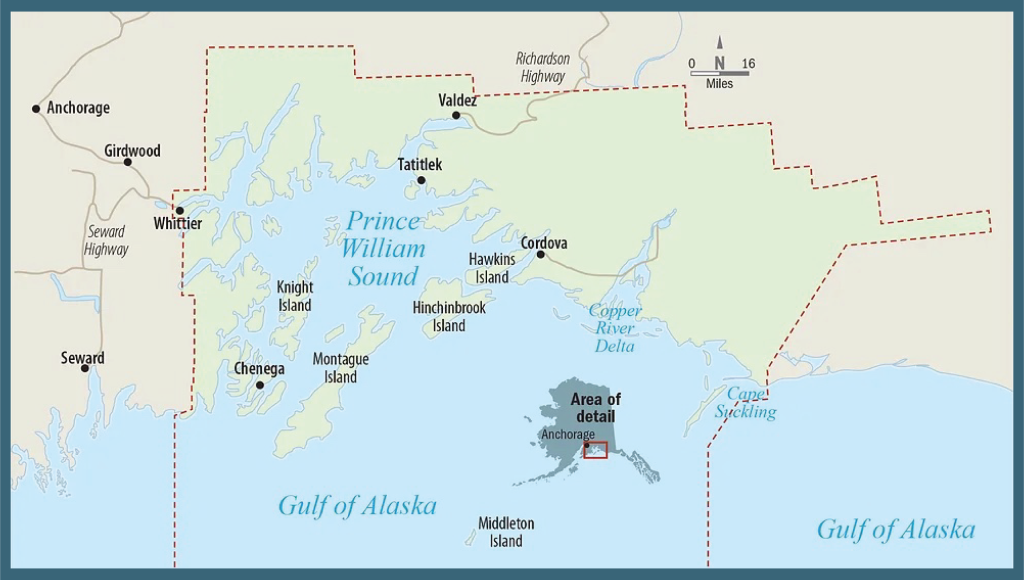
    MHP’s Community Development team and the Prince William Sound Economic Development District (PWSEDD) have recently began the process of collaborating with McKinley Research Group—an Alaska-based research firm—to conduct a regional housing needs assessment for the Prince William Sound region. The district includes cities of Cordova, Valdez, and Whittier, and Native Villages of Eyak and Tatitlek. There is a severe shortage of housing in all of the communities of the region, given the specific challenges around topography and accessibility, cost of construction and materials, and lack of developers and contractors. MHP is providing financial support to help offset the cost of the initial Housing Needs Assessment.

    “Each community within the Sound truly has their own unique topographic and economic challenges that make housing development and affordability so critical and also even more difficult.” says Erika Brown, Community Development Manager at MHP and project lead “I am excited to be working with each community to identify the best way to engage and involve their residents throughout this process and come up with strategies to address their housing needs that are as unique as each of the communities themselves.”

    Once completed, MHP staff will assist regional partners in development of a housing action plan (HAP), with specific strategies to address housing development needs in each community. MHP will provide remote and in-person technical assistance for this planning by creating engagement tools and supporting outreach strategies such as community surveys, stakeholder interviews, and public town halls hosted during the summer of 2023. 

  • Take 5 with MHP’s Aaron Johnson

    Take 5 with MHP’s Aaron Johnson

    Take Five is MHP’s series that asks the same five questions of a variety of people intersecting with MHP, from staff to housing advocates! We are excited to welcome Community Development Associate Aaron Johnson.

    Aaron Johnson

    Q1. Who are you?

    Aaron Johnson (he/him), Community Development Associate

    Q2. What attracted you to working with MHP?

    MHP’s mission of providing affordable and equitable housing is aligned with my own values and vision for the world. I believe housing is a human right and a pillar of thriving communities, so I’m energized by MHP’s commitment to these issues, and to centering those who have been most impacted by economic and racial disparities. I was also drawn to the systems change approach that MHP takes to this work. Given the many facets of these issues, it will take an equally comprehensive approach that combines the areas that MHP works in, such as research, advocacy, and community development.

    Q3. What’s a challenge in the field of housing right now?

    The complexity of housing – on economic, cultural, and political levels – makes it difficult for many folks to know where and how to enact effective, positive change. Through education, capacity-building, and the creation of local networks (such as through the Institute model), the “how” and “why” of the issues facing our communities will become clearer, as will actions to help solve their unique challenges.

    Q4. Is there a book by your bed, and what is it?

    Yes! I am currently reading Ghana Must Go by Taiye Selasi and All About Love by bell hooks. Next up is the Death and Life of Great American Cities by Jane Jacobs.

    Q5. Who is your superhero? 

    My grandparents. They are and were extremely hard workers, dedicated to music, family, and their church community, and they created an impactful legacy. I aspire to their level of tenacity, commitment to what they love, and connection to their communities.

    Look out for more Take 5 profiles coming soon!

  • MHP to Host Northwest Housing and Community Development Workshop

    MHP to Host Northwest Housing and Community Development Workshop

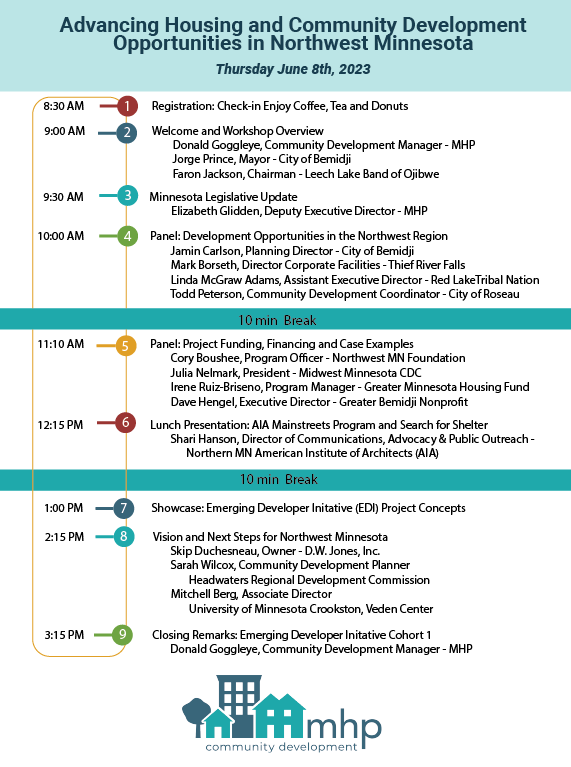
    MHP is excited to host the regional workshop: Advancing Housing and Community Development in the Northwest Region of Minnesota on June 8, 2023. It will bring together leaders focused on housing solutions for the region and emphasize specific development opportunities in the region.

  • More than $2B for Housing and Homelessness this Legislative Session will Stabilize and Save MN Lives

    FOR IMMEDIATE RELEASE: PRESS STATEMENT

    Landmark 2023-2024 $2B Legislation for Housing and Homelessness will be Life-Changing for Minnesotans throughout the State


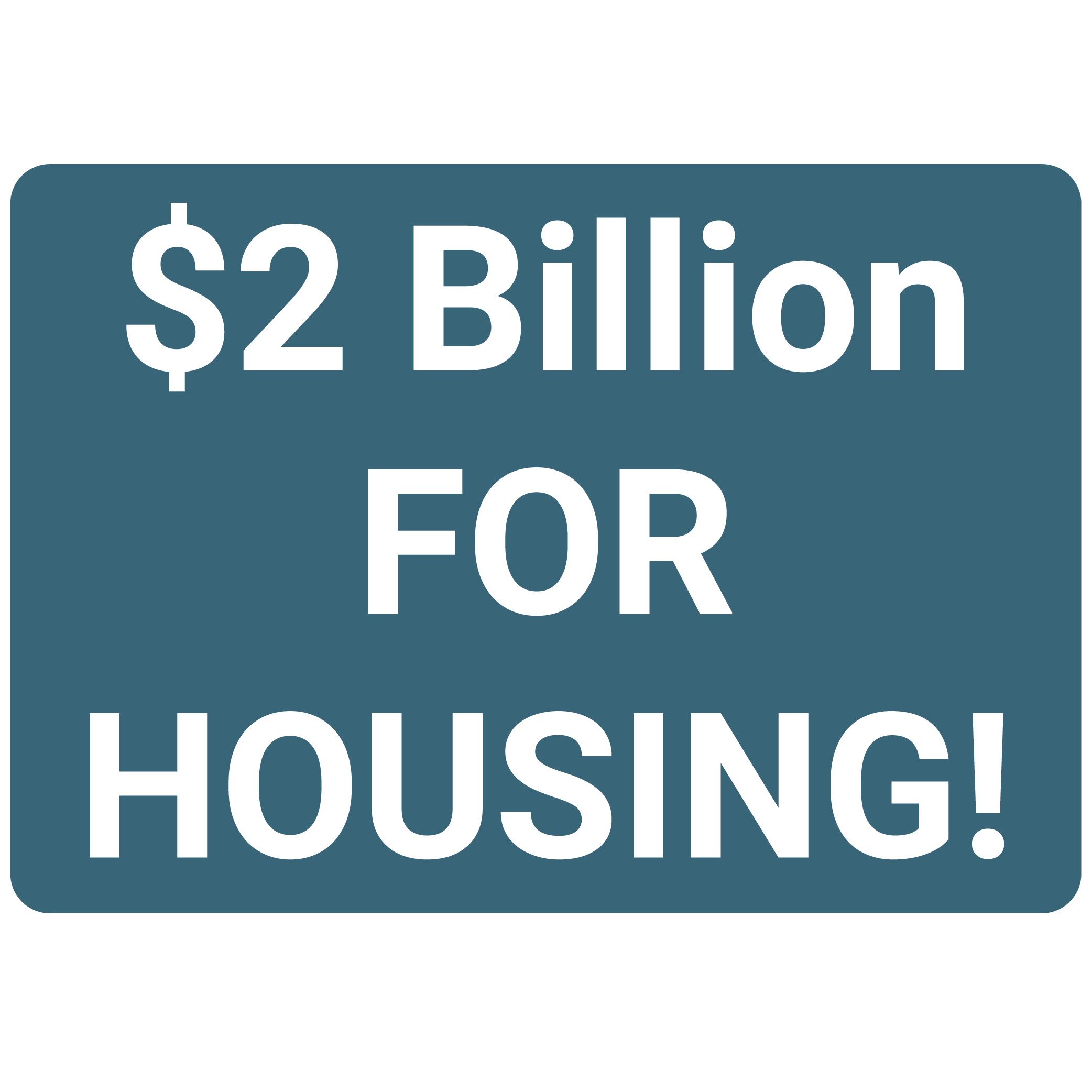
    As the legislative session ends, MHP is excited to join in celebrating a historic more than $2 billion housing and homelessness investment that creates new opportunities for thousands of Minnesota families to have access to safe, stable homes they can afford. “This landmark legislation is about so much more than housing,” says Anne Mavity, MHP Executive Director, “it will truly transform lives and communities.”

    MHP has advocated for transformative housing solutions for decades; we are gratified this legislature has prioritized housing as a top issue. “We convened housing advocates in January 2022 to set a higher bar for the legislature at $2 billion, a level which more closely reflects the real housing needs for Minnesotans, and are thrilled that this goal has been met this biennium,” says Libby Murphy, MHP Director of Policy. “We are beyond grateful to the multitudes of advocates and legislators who worked tirelessly to make this vision a reality.”

    The more than $2 billion housing investment will impact Minnesotans at every level of the housing continuum from renters to first-time homebuyers and beyond, and includes $1 billion in appropriations, funds from a metro-wide sales tax, investments in the bonding bill, and health and human services for homelessness prevention and services.

    MHP is looking forward to keeping this powerful momentum going, to ensure that ongoing, stable funding for housing will provide a place to call home for Minnesotans in every corner of our state for years to come.

  • The 2023 Legislative Session in Review!

    The 2023 Legislative Session in Review!

    In December of 2021, MHP convened partners and invited them to join us in asking the Minnesota Legislature to invest $2B in 2022. Gridlock had us come back in 2023, again asking for $2B. On Jan 11, 2023, MHP and our partners held a rally in the Capitol Rotunda. The crowd in the rotunda chanted “$2B in 2023!” Now that lawmakers have passed all the budget bills, it is clear that lawmakers heard that rallying call and delivered.


    Housing Omnibus Bill: $1B additional one-time, $50M additional on-going, and a nearly $400M/year in 7-county metro

    One of the biggest highlights of this session is the $1B in additional direct appropriations to Minnesota Housing. Minnesota Housing’s FY24-25 budget is 850% greater than its current base budget. The Housing Omnibus bill makes critical investments throughout the housing continuum. This biennium, Minnesota Housing will have over $600M in direct state appropriations to produce and preserve more single-family homes, manufactured home parks/cooperatives, and multifamily rental homes. Minnesota Housing will have more than $450M in resources to increase access and provide choice and opportunity for one’s housing through rental assistance, homebuyer counseling and financial assistance. 

    Additionally, the Housing Omnibus bill includes a seven-county metro wide sales tax. The tax will raise nearly $200M per year in coming years. These resources will be distributed among metro based public housing authorities and city and county governments. 25 percent of the funds will fund rental assistance, 25 percent of funds will go directly to cities, and 50 percent of the funds will go to counties. Cities and Counties can use these resources for emergency rental assistance, to support nonprofit housing developers, and build and preserve more affordable homes. Download the final spreadsheet for the Housing Omnibus Bill here.


    Taxes

    Housing was a top priority for the tax committees, as lawmakers provided property tax relief to homeowners and renters. Lawmakers significantly expanded the Renter’s Credit and made it easier for renters to claim their credit. As a result of the bill, an estimated 119,000 more Minnesotans will receive the credit.  The bill also increases the property tax refund for homeowners. Lawmakers provided a one-time boost to both the renter and homeowner property tax refunds.  Another significant change was to the 4d tax classification will result in over $60M in property tax savings for participating units. 

    Owners of multifamily rental homes will see their property taxes assessed at a single .25 rate. The tax bill also includes an additional $40M for the workforce and affordable homeownership program, establishes a local county housing aid program and funds it at $45M this biennium, and creates a credit to incentivize manufactured home park owners to sell to existing residents. In addition to housing-specific line items in the bill, the bill funds the Minnesota Child Tax Credit. It’s not clear yet how many families will receive the credit, but it will drastically reduce child poverty in Minnesota. And, Tribal nations will get aid, which can be used for housing.  


    Bonding: Nearly $76M in housing and $21M in shelter

    In the final hours of session, the Legislature passed two bonding bills. A cash bill invests $850.7M and the other invests $1.3B from the proceeds of general obligation bonds, $219.2M from the Transportation Fund, and $224.9 from the General Fund. The bills invest $30M in cash and $41.87M in general obligation bonds for public housing rehabilitation. The bill also includes $3M for a Greater MN Housing Program and $1M to the City of Minneapolis for Satori Village. There is over $21M in funding to five specific emergency shelters.  


    Health & Human Services: Nearly $200M

    The Health and Human Services bill includes $100M in one-time funding in shelter capital, a $30M increase in FY24-25 and $55M in FY26-27 in the Emergency Shelter Program, $6M this biennium and next for transitional housing, $30M FY24-25 and FY26027 in Homeless Youth Act, $4.25M in FY24-25 and $2.5M in FY26-27 in Safe Harbor, and $850K inFY24-25 and $1.55M inFY26-27 for the Homeless Management Information System. Hennepin and Ramsey Counties will each receive $11.4M in one-time funding to provide services to people experiencing homelessness. The bill includes modifications to the Housing Support Program to allow individuals with unearned income to keep more money.  

    Environment and Climate:

    The Environment and Climate Omnibus invests $39M for pre-weatherization and weatherization activities and  funds a number of programs to help homeowners afford things like heat pumps and electric panels. The bill establishes the Minnesota Climate Innovation Authority/Green Bank. The Green Bank can fund housing related activities that incorporate clean energy technologies.  The bill changes the building code process to help Minnesota achieve an eighty percent improvement in annual net energy consumption by 2036. Several of the state’s investments will help leverage new Federal funding from the Inflation Reduction Act (IRA) and the Infrastructure Investment and Jobs Act (IIJA)